+86-21-20919968


Blotting Paper, broadly speaking, refers to a type of special paper or paper-based material that has the ability to quickly absorb and retain liquids (mainly water, oil, etc.). It is not a single product, but a product series that covers multiple materials, processes, and uses. The core principle is to suck liquid into the porous structure inside the material through capillary action. Unlike traditional paper, Blotting paper undergoes special treatment or is made of special fibers to achieve extremely high water absorption rate and capacity.
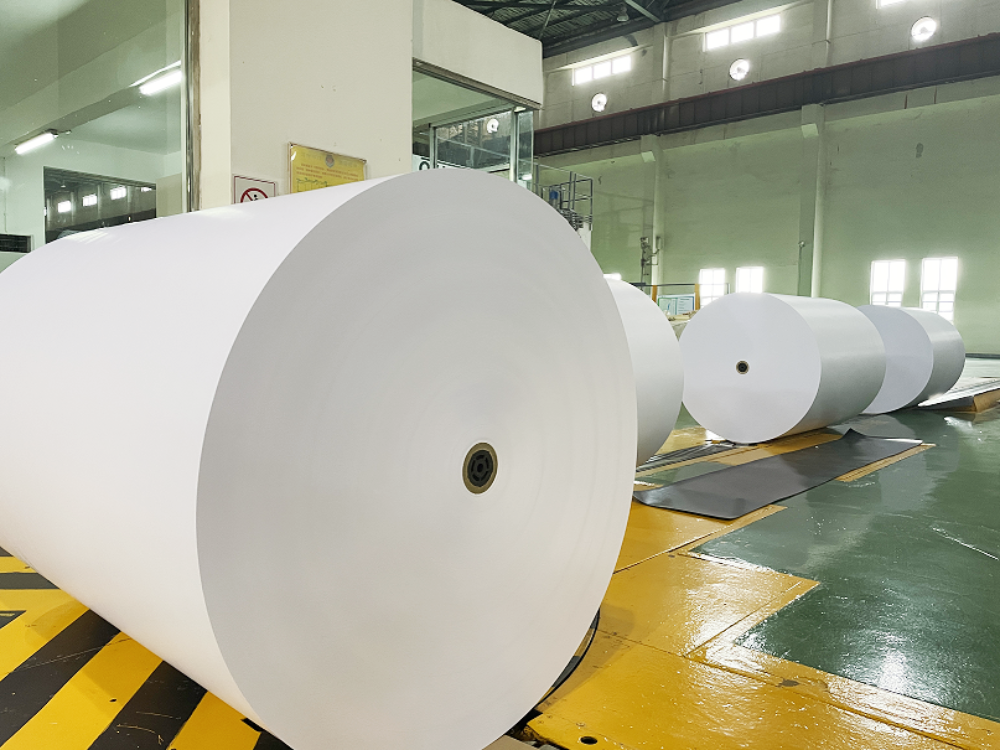
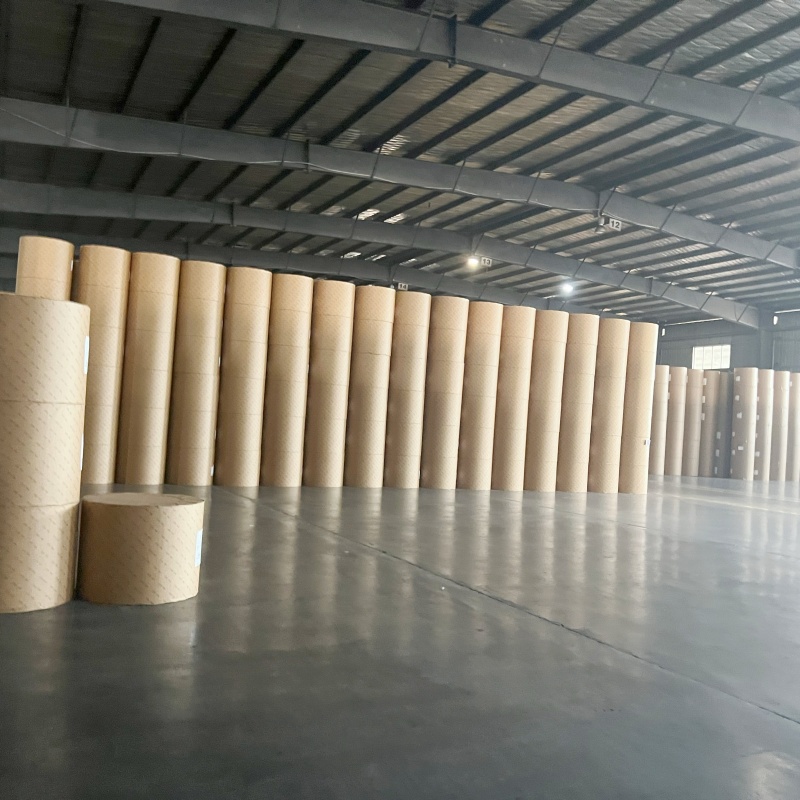
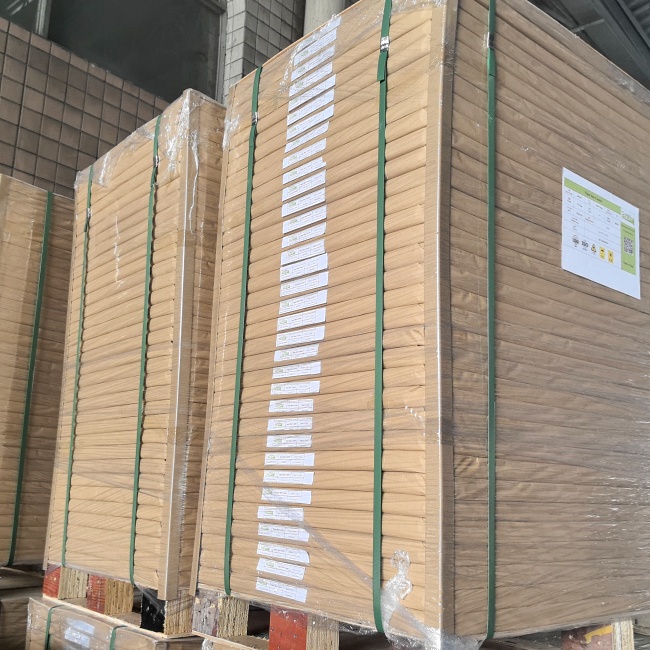
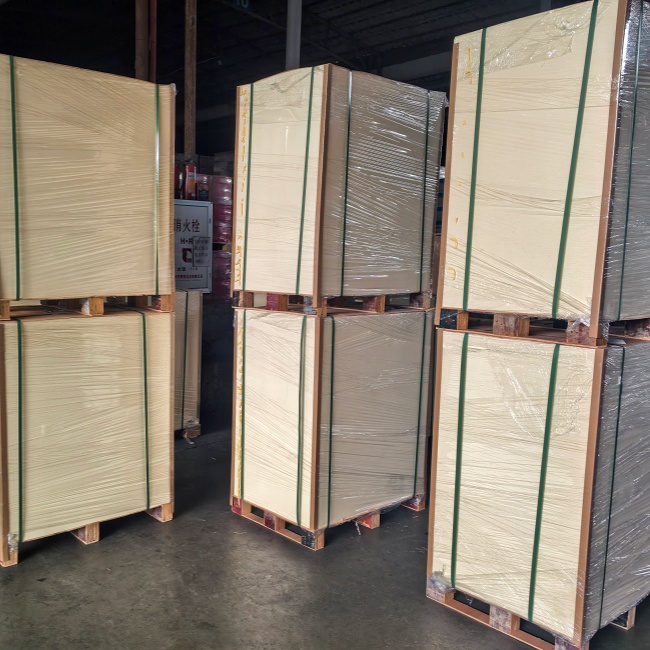
Blotting paper has strong water absorption performance and can be reused. It comes in two forms: roll and flat. The paper has thicknesses of 0.4mm, 0.5mm, 0.8mm, 1.0mm, 2.0mm, 2.5mm, 3.0mm, etc. Common sizes include 1540 * 1000mm, 770 * 1000mm, 800 * 1100mm, etc. Blotting paper has characteristics such as high water absorption, high strength and toughness, low dust or dust-free, environmentally friendly and biodegradable.
Performance Introduction
Efficient liquid absorption: This is the core performance, which can quickly lock in a large amount of liquid and prevent backflow.
Soft and skin friendly: Especially when used for hygiene products such as tissues and sanitary napkins, it is required to have a soft touch and not irritate the skin.
Structural stability: It is not easily deformed or broken after absorbing water, and maintains its original shape.
Chemical compatibility: There are specialized water absorbing materials for different liquids (such as oil, organic solvents, acid-base solutions) that can resist chemical corrosion.
Feature Introduction
Porous structure: It has developed micropores and fiber gaps, which are the physical basis for water absorption capacity.
Material diversity:
Cellulose: Natural fibers such as wood pulp and cotton pulp, which increase fluffiness and specific surface area through processes such as wrinkling and fluffiness.
Synthetic fibers, such as polyester and polypropylene fibers, can be made into non-woven absorbent materials with high strength and resistance to decay.
Feature Introduction
Liquid absorption and transfer: Quickly absorb liquid from the surface or interior.
Liquid storage and water locking: firmly lock the absorbed liquid inside the structure to prevent secondary pollution.
Surface cleaning and drying: Wipe the surface of an object to remove excess liquid and achieve the purpose of cleaning or drying.
Buffer and protection: In the field of packaging, it absorbs condensation or small leaks that may occur during transportation to protect the goods.
Blotting paper has a wide range of applications, including the production of oil absorbing paper for electronic cigarettes, placemats and coasters used in daily life, food packaging and water absorption, car fragrance films, fragrance test films, and frame liners; Can be used as industrial filter paper in industry; In the medical field, it is used to absorb condensed water, keep instruments dry, and ensure sterilization effectiveness.
In recent years, biodegradable and non-woven composite absorbent paper has emerged, balancing strength and environmental properties. However, traditional Blotting Paper has limitations in terms of wet strength performance, reusability, and antibacterial function, and some low-end products have issues with residual fluorescent agents or fiber detachment, which affects user experience and safety.
In the future, Blotting paper will deeply integrate material science and scenario requirements, moving towards high-performance and multifunctional integration. On the one hand, functionalization of nanocellulose, chitosan, or silver ions can endow Blotting Paper with antibacterial, antiviral, or pH responsive properties, expanding to high value-added fields such as wound care and fresh cold chain. On the other hand, biomimetic design of structures (such as lotus leaf microstructures) will optimize the directional conductivity of liquids, achieving precise moisture control effects of "absorbing without returning moisture". Driven by sustainable development, Blotting Paper made from agricultural waste such as sugarcane bagasse and bamboo pulp will reduce dependence on native wood pulp, while spunlace nonwoven fabric and soluble adhesive technology will enhance product compostability. In addition, smart Blotting Paper is expected to be embedded with humidity indicator dyes or RFID tags for drug packaging or logistics temperature and humidity monitoring. In the long run, Blotting Paper will transform from a passive absorbent medium to a functional interface material with environmental perception and active response capabilities.
In summary, Blotting paper is a high-tech and widely used basic material, and its development is closely related to the improvement of people's quality of life and the progress of industrial technology. In the future, it will continue to evolve towards greater efficiency, environmental friendliness, intelligence, and specialization.