+86-21-20919968


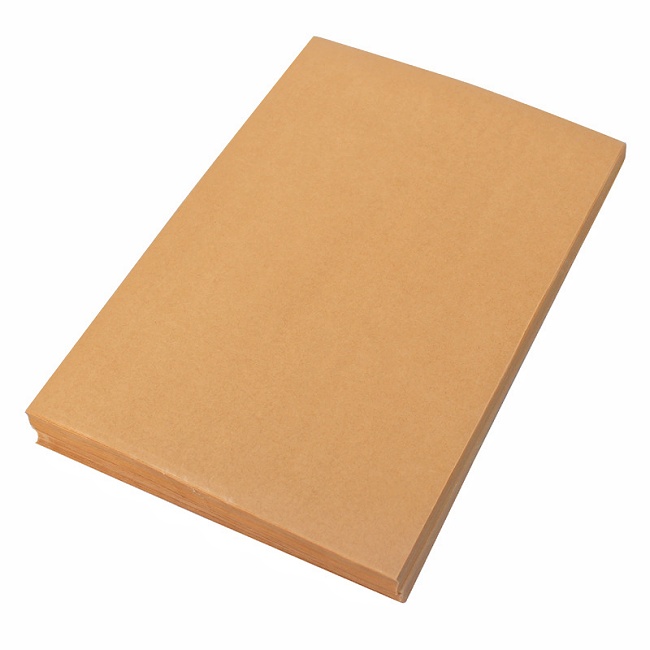
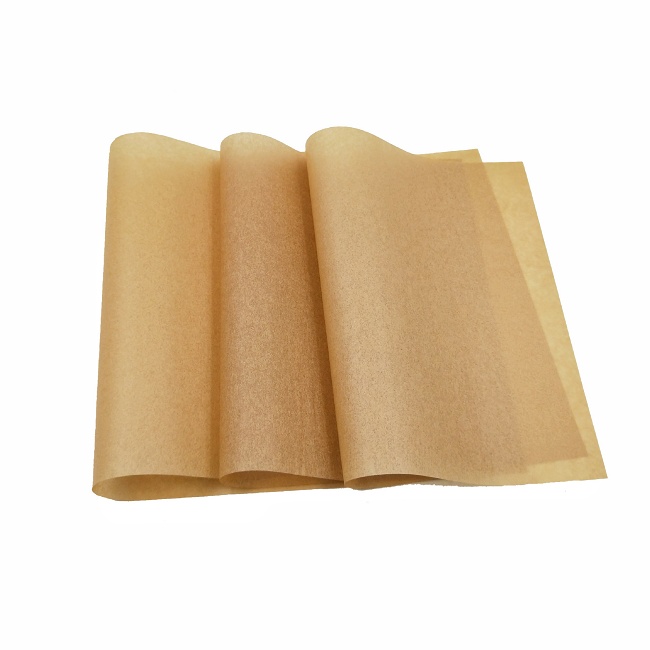
Baking paper, also known as baking tray paper, oven paper, steamer paper, silicone oil paper, etc., is a type of greaseproof paper coated with food-grade silicone oil. It is specifically used to line baking trays or wrap food for baking, steaming, and other cooking methods, serving the purposes of preventing sticking, preventing oil, and facilitating cleaning. In the market, baking paper mainly comes in three types: greaseproof paper, translucent paper, and silicone oil paper. Among them, silicone oil paper has the best quality and the highest heat resistance.
Raw materials and processes
Raw material
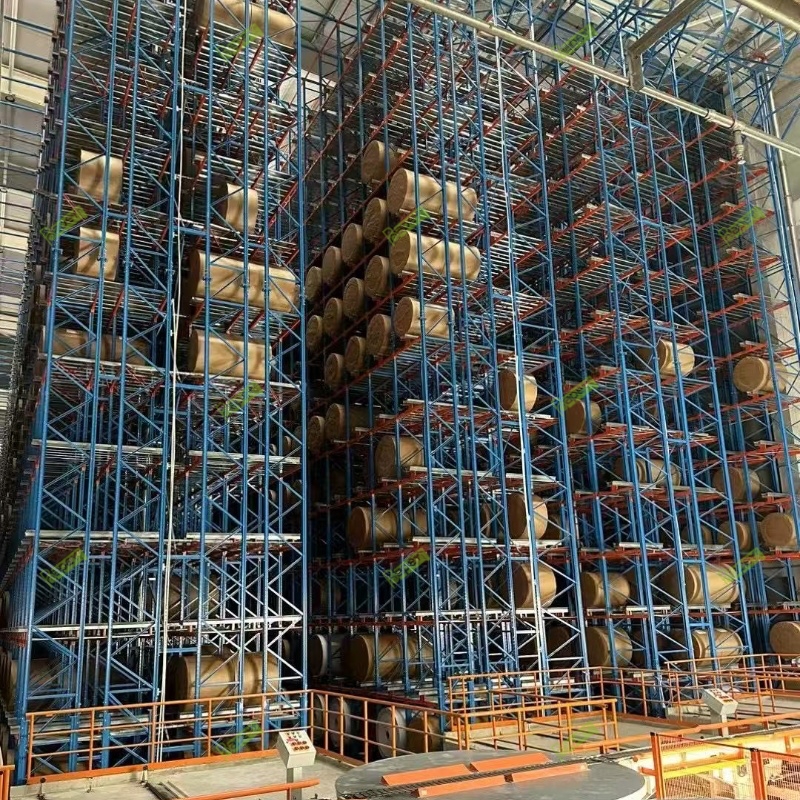
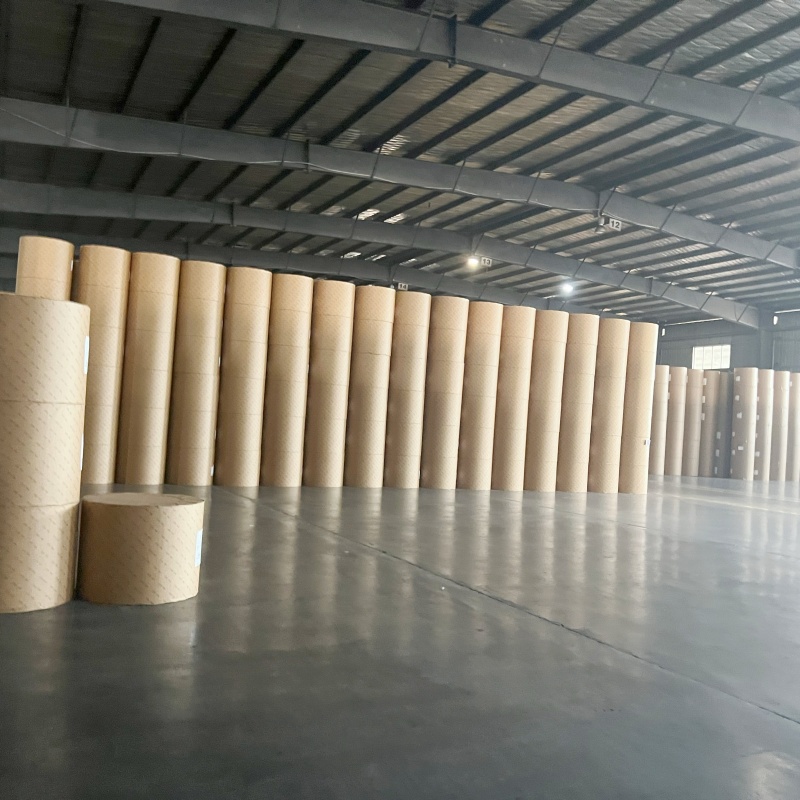
The core raw materials of baking paper include the paper base and the functional coating. The paper base must use virgin wood pulp that meets national food safety standards, including bleached softwood pulp and hardwood pulp, as well as other plant fibers. The coating part uses food-grade silicone oil material. The paper core of double-sided silicone oil paper is located in the middle, with the lamination layer and silicone oil layer covering both sides in sequence. The adhesive used in the lamination layer must also meet corresponding food safety standards.
Production process
The production of modern baking paper has evolved from traditional handmade methods to industrialized production. The typical process flow is as follows:
Pulp preparation: The raw material of virgin wood pulp is subjected to beating operations in a constant temperature environment to prepare a uniform fibrous pulp;
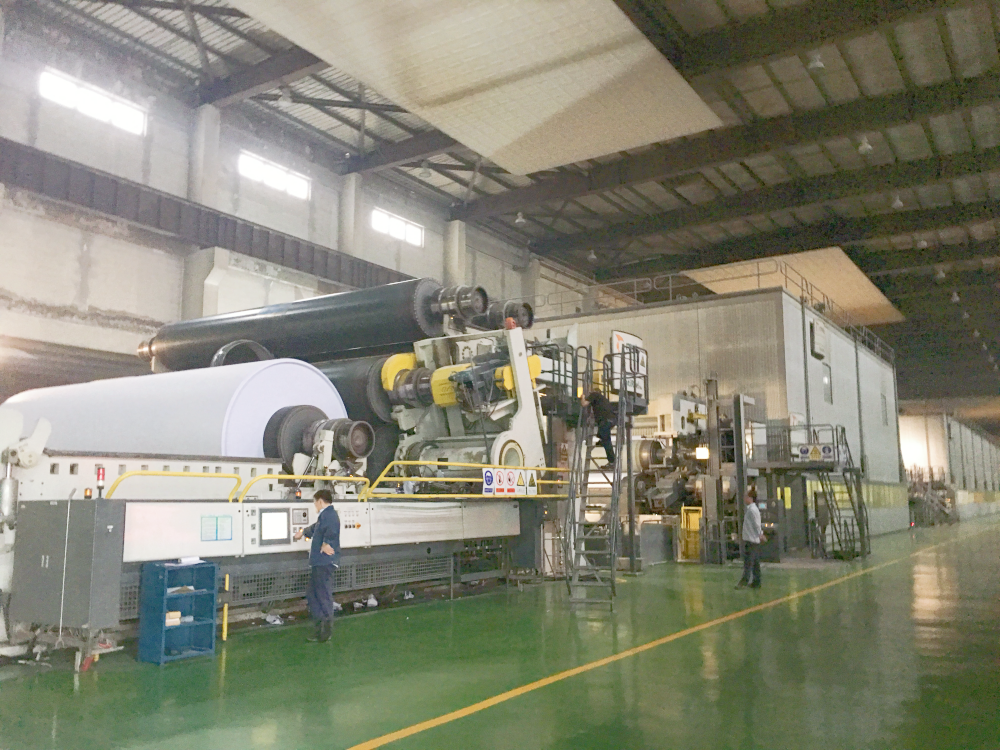
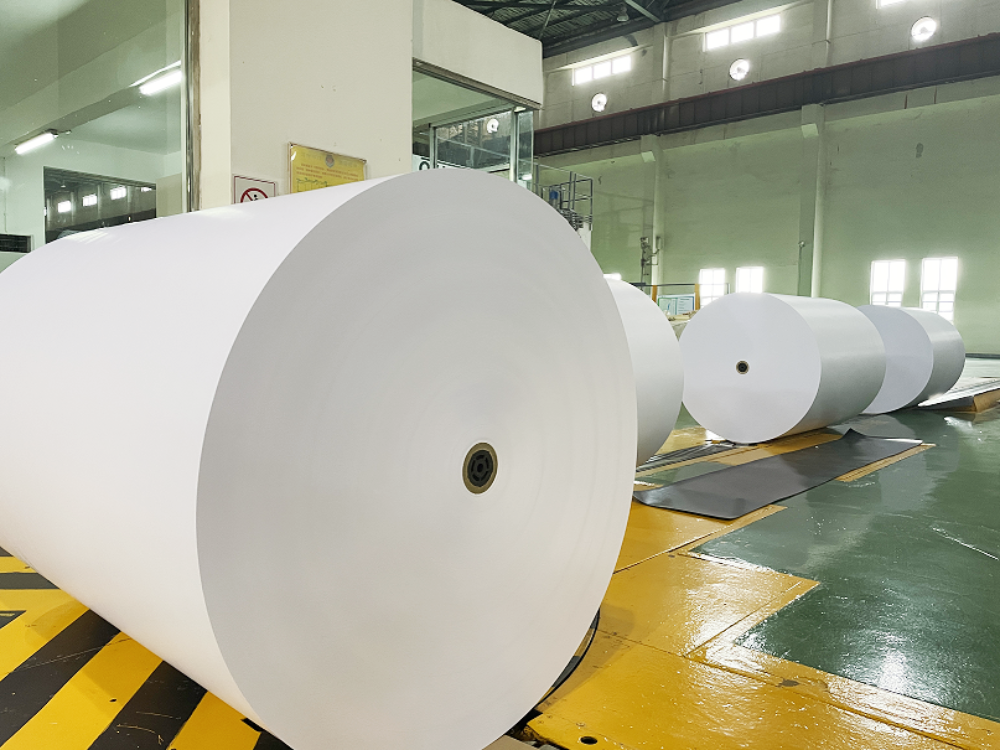
Papermaking molding: Pour the pulp into the paper machine, and then produce raw paper through pressing, drying, calendering, cutting, and other steps;
Surface treatment: Through the lamination and coating processes, a food-grade silicone oil anti-adhesive coating is applied to the surface of the base paper. The coating method has evolved from single-sided coating to double-sided coating;
Inspection and packaging: Conduct quality inspection on finished products to ensure they meet food-grade safety standards before packaging and shipping.
With technological advancements, new processes have emerged, such as the improved processes utilizing three-stage drying, two-stage calendering, and impregnated surface sizing, aimed at reducing production costs and enhancing environmental performance.
Characteristic
Non-stick property: The surface is coated with a silicone coating, which is non-stick to glue, paste, and food. Food can be easily peeled off, and high-sugar foods baked on it will not stick.
High temperature resistance: Most products can withstand high temperatures ranging from 220 to 250℃, making them suitable for use in various cooking equipment such as ovens, air fryers, and microwave ovens.
Water and oil resistance: The surface is dense and hydrophobic, effectively preventing the penetration of oil and moisture, ensuring the dryness and hygiene of baked goods.
Safety: Regular products must comply with GB 4806.8-2022 "National Food Safety Standard - Paper and Paperboard Materials and Products in Contact with Food", which stipulates that they must not contain fluorescent agents and must be food-grade safe.
Dimensional stability: Good stiffness, not prone to deformation, and can be cut into various sizes according to needs.
Environmental friendliness: Made from pure wood pulp, it is biodegradable. Some products are coated with environmentally friendly vegetable silicone oil and do not contain harmful chemicals such as fluoride.
Purpose
Baking paper has expanded from the traditional baking field to various cooking scenarios:
Baking sheet liner: placed inside the baking sheet or mold, it prevents food from sticking without the need for cooking oil, making it easy to clean;
Baking of cake rolls and bread: When making cake rolls, it is convenient to place them on a baking tray for easier demolding, or for baking bread, cookies, puffs, etc;
Barbecue and air fryer: isolates the baking tray from the food, preserves the flavor of the food, and simultaneously achieves a good oil absorption effect;
Steamer liner paper: used as a liner for steamer baskets to prevent pastries from sticking to the baskets;
Food packaging: used for packaging oily foods such as cake cups, hamburgers, and fast food;
Cooking aids: Can be used to make piping bags, paper-wrapped dishes, steaming base paper, and even for packaging frozen foods and microwave heating;
Oil absorption function: used to absorb excess oil during frying, keeping the food refreshing.