+86-21-20919968


Tipping paper, also known as tipping paper, is the outer wrapping paper that covers the filter on cigarettes and is the only cigarette material that comes into direct contact with the lips. It is referred to as "tipping paper" in the industry.
Modern tipping paper is no longer a simple wrapping paper. Its core characteristics are reflected in the following aspects:
Safety Guardian: As the only cigarette material that comes into contact with the lips, its printing ink and coating are required to be non-toxic, meet food hygiene standards, and undergo strict microbial indicator control.
Decorative facade: It serves as the "visual identity" of a cigarette brand. Typically, it features an antique, matte cork color or white, with an exquisite brand logo and gold or green lines embossed through printing.
Functional core: By utilizing perforation technology (laser or electrostatic drilling to create micro-pores), it can draw in external air to dilute mainstream smoke, making it the most crucial technical means for reducing tar and harm. Additionally, it has evolved multiple functions such as antibacterial, flavoring, and flame retardant properties.
Industrial production: High-quality tipping paper requires high tensile strength to avoid breaking on high-speed cigarette machines. It also necessitates strict control over indicators such as air permeability, grammage (weight per square meter), and absorbency, to perfectly match the machine's operating speed and prevent machine malfunctions.
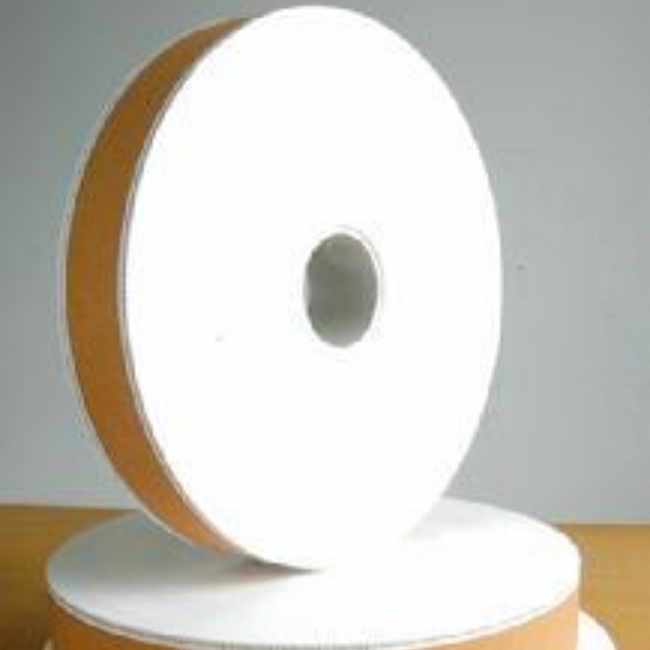
The production of tipping paper primarily consists of two major stages: "base paper production" and "post-processing".
Step 1: Production of base paper
The production logic of base paper is similar to traditional papermaking, but it is a type of specialty industrial paper.
Mixed pulp: Its raw material is not derived from a single plant, but rather a blend of softwood pulp (providing strength), hardwood pulp (ensuring uniformity), and lyocell fiber pulp (used in special cases) mixed in a specific ratio. Sometimes, it also includes a portion of recycled fibers (broken paper or waste paper) to conserve materials.
Pulping and Filling: Fillers such as calcium carbonate are added to the pulp to improve opacity; chemicals like PAE wet strength agent are often added to enhance the water resistance of the paper, and sizing agents like AKD are used to adjust permeability for subsequent bonding.
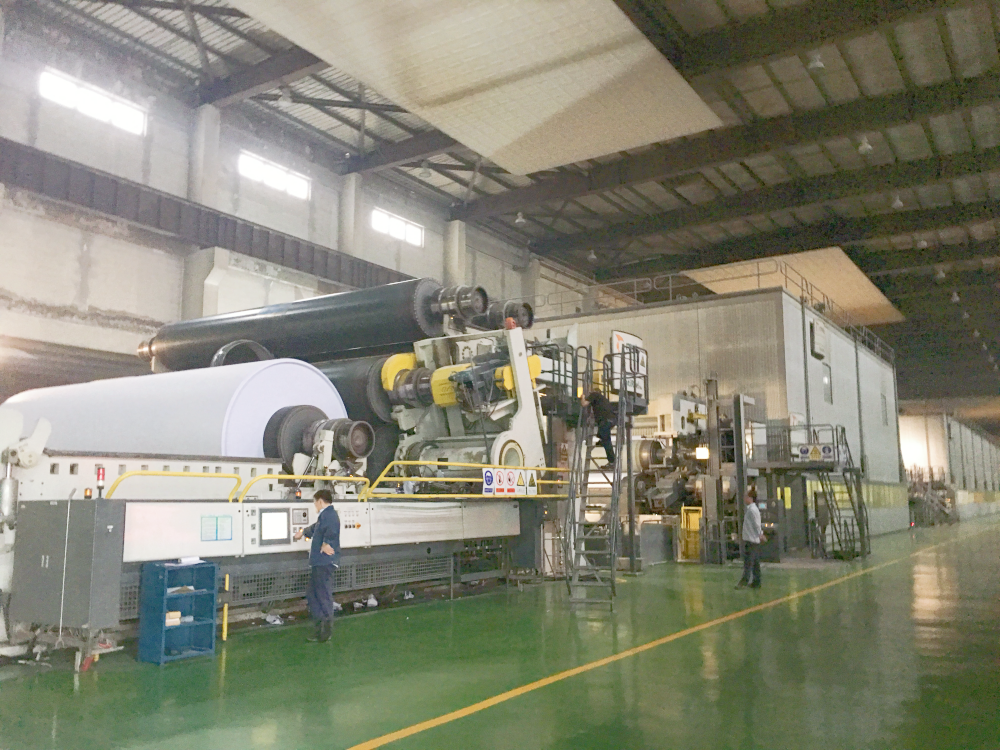
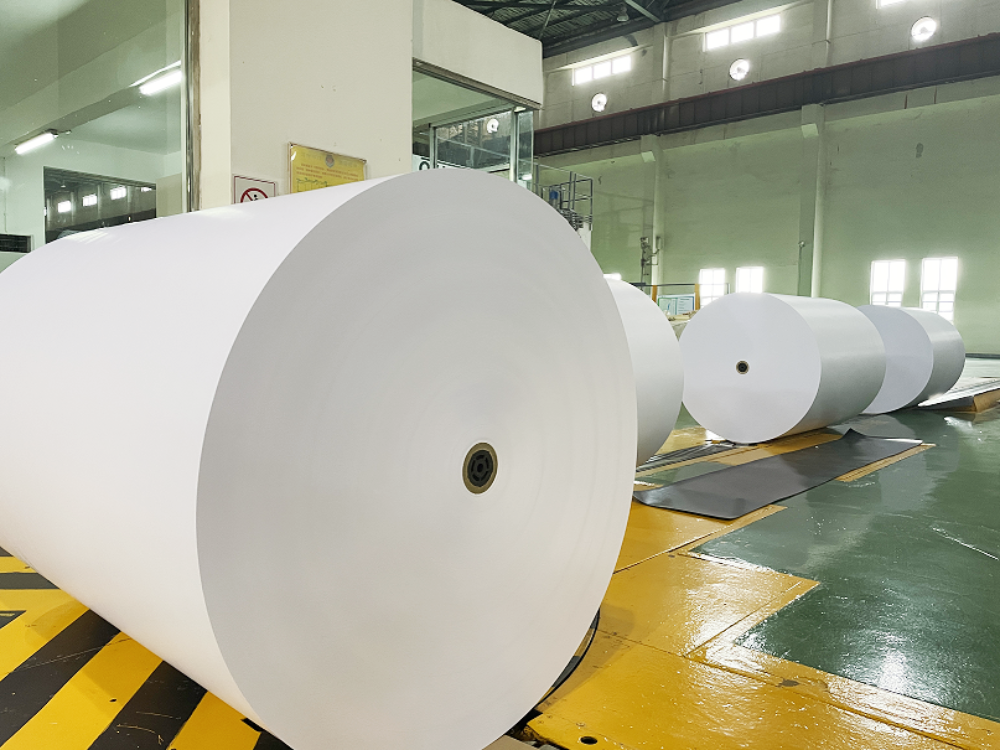
Forming and drying: The mixed pulp is dewatered and formed through the forming wire of the paper machine, pressed, dried (sometimes with multi-layer sizing to improve smoothness), and finally wound into a large sheet of raw paper.
Step 2: Post-processing
The produced tipping base paper (also known as "tipping base paper") will proceed to the post-processing stage.
Gravure printing: Through a gravure printing machine, the base paper is imparted with brand patterns and antique hues. Traditional gravure inks rely on resin (such as polyvinyl butyral) for adhesion, but there has been a shift towards more environmentally friendly water-based inks. Based on this process, there are two types: printing type (exquisite, used for high-end cigarettes) and coating type (simple process, used for low-end cigarettes).
Slitting and perforating: The finished product is slit into narrow strips according to the length of the filter (commonly 24mm, 27mm, etc.). At the same time, micro-perforations that are difficult to see with the naked eye are created using laser or electrostatic technology. In addition, decorative effects can be further enhanced through processes such as bronzing.
Environmental Focus: In response to environmental protection requirements, modern processes are continuously reducing the use of harmful fillers (such as titanium dioxide, which was previously warned against by the European Union) and actively adopting titanium-free whitening technologies.
Future trend: healthier and smarter
Overall, the future of tipping paper (tipping paper) will continue to evolve around health and functionality:
More refined tar reduction technology: Laser/electrostatic drilling technology will become more advanced, achieving more precise tar control.
The materials are more environmentally friendly and safe: a comprehensive shift towards non-toxic and harmless materials such as water-based inks and titanium-free whitening agents.
More diverse functions: Antibacterial, flavoring, anti-counterfeiting, and other functions will be further integrated, and even special base papers customized for heated non-combustible cigarettes will emerge.