+86-21-20919968


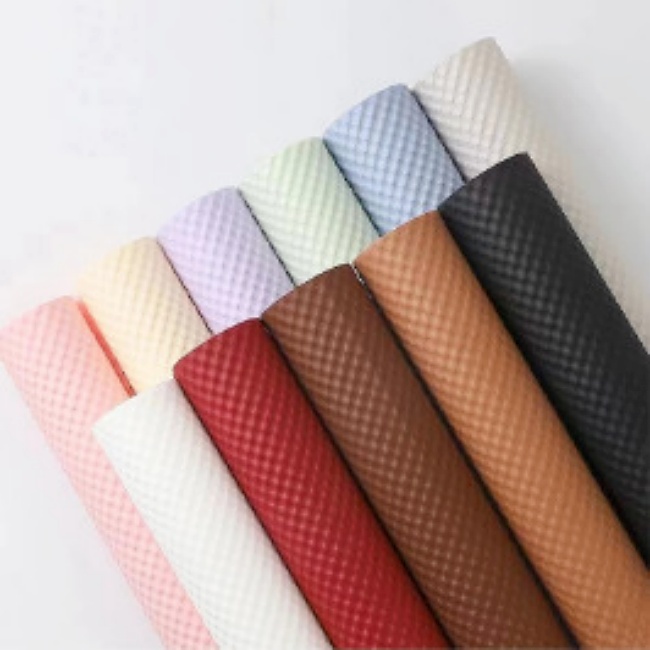
Embossed paper is a type of cover decorative paper that forms a textured surface through mechanical embossing or creasing, also known as patterned paper. It is often used in book binding and packaging design to enhance the visual level and tactile experience of works, thanks to its unique three-dimensional texture and rich texture selection. The weight range of embossed paper is wide, covering from 40g/m² to 300g/m². The commonly used flat paper specifications are 787×1092mm and 889×1194mm, and some manufacturers also accept customized sizes.
Raw materials and Processes
The raw materials for embossed paper are mostly laminated paper or whiteboard paper, while high-end products use full wood pulp base paper. The core process is to use a pair of rollers to press the original paper after it is copied - one of the rollers is engraved with a pattern, thereby imprinting a texture on the surface of the paper. Due to the deep texture, only one side of the paper is usually embossed.
There are two types of embossing methods: overprint embossing (pressing bumps and depressions according to the printed pattern) and non overprint embossing (texture is not related to printing, only used for decoration). The latter has a wide variety of patterns, including more than 20 common ones such as cloth patterns, leather patterns, checkered patterns, egg skin patterns, and sack patterns.
Characteristics
The most prominent feature of embossed paper is its distinct texture, strong decorative ability, and concave patterns on the surface, which feel similar to thin paper skin. But it also has some limitations that need to be noted: the paper is brittle and the spine is prone to breakage when binding; The large curvature during printing can easily lead to difficulty in feeding and affect efficiency. In addition, due to the uneven surface, ink penetration makes it difficult to dry, and large-scale solid printing is prone to getting dirty, resulting in a dull color expression in four-color images.
Usage
The application of embossed paper is focused on scenarios that require highlighting texture:
Book binding: Cover, title page, ring lining, especially suitable for expressing personal style.
Packaging decoration: high-end packaging such as gift boxes, jewelry boxes, cosmetics boxes, wine boxes, etc.
Business printing: business cards, folders, clothing tags.
Cultural and creative industries: photo albums, notebooks, handbags, advertising boards, etc.
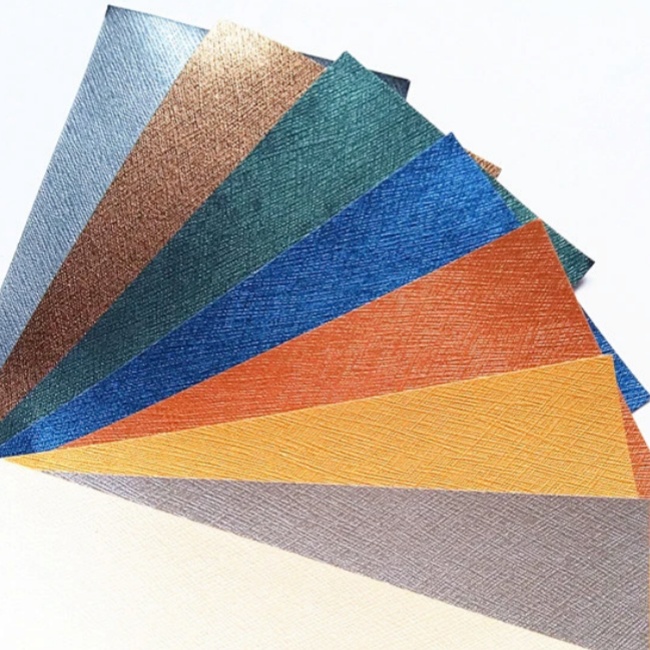
In summary, the value of embossed paper lies not in the vividness of the printed image, but in making the paper itself a part of the design language. When designers want their works to convey a certain tactile temperature - rough fabric patterns, steady leather feel, delicate texture - embossed paper can provide a more direct sensory response than flat printing. The cost is that it requires more patient printing and debugging, and is usually much more expensive than ordinary paper of the same weight. Therefore, it is more suitable for works that are willing to let materials speak.