+86-21-20919968


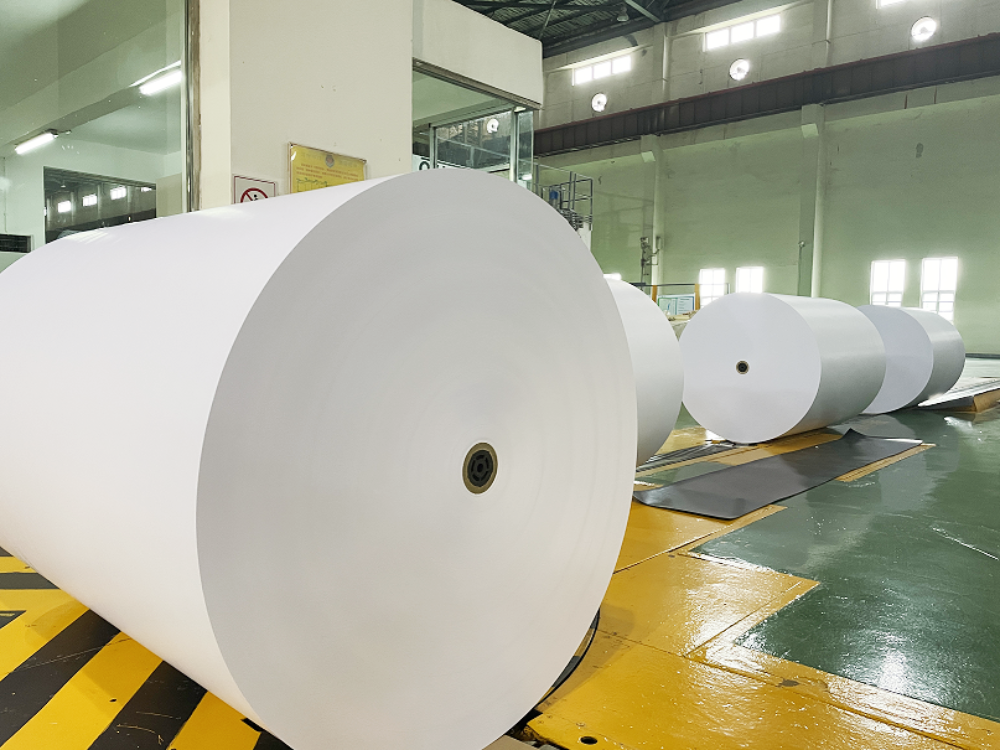
Grey Board is an industrial paperboard made mainly from recycled waste paper. With high stiffness, flatness, and environmental characteristics, it is widely used as a substrate in the packaging and printing industries. Grey Board, also known as Grey cardboard or tea cardboard, is a versatile and environmentally friendly industrial cardboard with a wide range of raw material sources and low quality requirements. According to the surface treatment method, it is mainly divided into three types: single ash, double ash, and full ash.
Raw materials and processes
Raw material composition: The core raw material is recycled waste paper (such as waste cardboard OCC, waste newspapers, etc.), supplemented by sawdust pulp, recycled slag pulp, and even papermaking sludge as fillers.
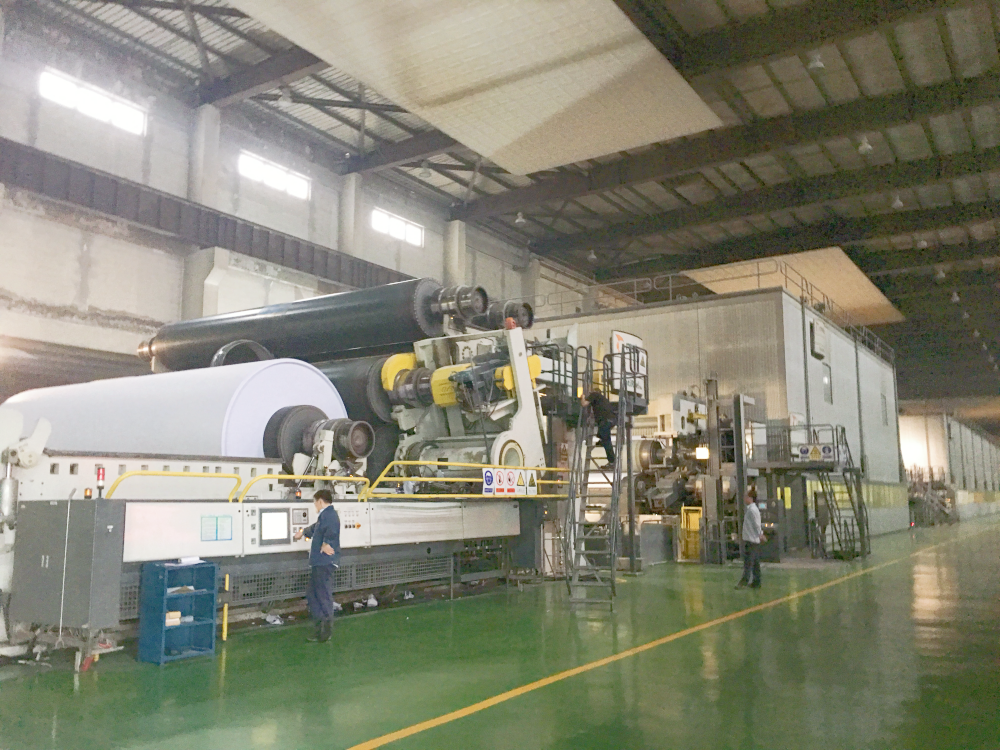
Main process: Modern grey board paper often adopts multi-layer composite copying technology, rather than single-layer molding.
Pulp making: Waste paper is processed into pulp through processes such as crushing, slag removal, screening, and concentration.
Slurry preparation: Different slurries are prepared according to the different requirements for strength and smoothness of the surface layer, core layer, and bottom layer.
Forming and compounding: The pulp is dehydrated by the mesh to form wet paper sheets, which are then laminated through multiple layers of "face core bottom", pressed, dehydrated, and dried to form.
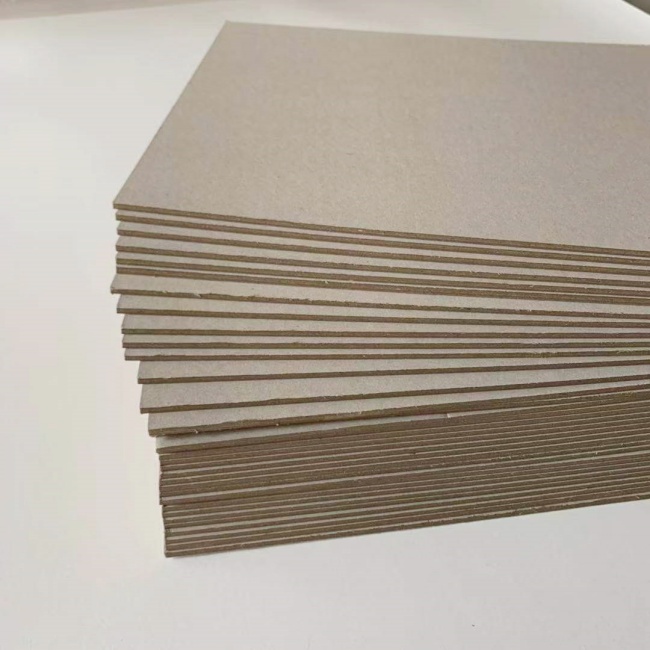
Conventional weight, thickness, and size
Weight and thickness: The quantification is usually between 250g/m ² and 2400g/m ², with common specifications including 300g, 650g, 1000g, etc. The thickness is about 0.3mm to 4.0mm, and those exceeding 1.5mm are mostly multi-layer composite boards. Generally speaking, the thickness of 100g/m ² grey board paper is about 0.16mm.
Conventional sizes: Standard tablet sizes are mostly 787 × 1092mm and 889 × 1194mm.
Technical Indicators
According to industry standards (such as QB/T4759-2014), the key indicators of grey board paper usually include:
Tightness: about 0.54~0.68 g/cm ³.
Stiffness: a measure of flexural performance that increases with weight.
Internal bonding strength: not less than 160 J/m ², ensuring no delamination.
Delivery moisture: usually controlled below 10%.
Quantitative deviation: The allowable range is approximately ± 4.0% to ± 5%.
Characteristics
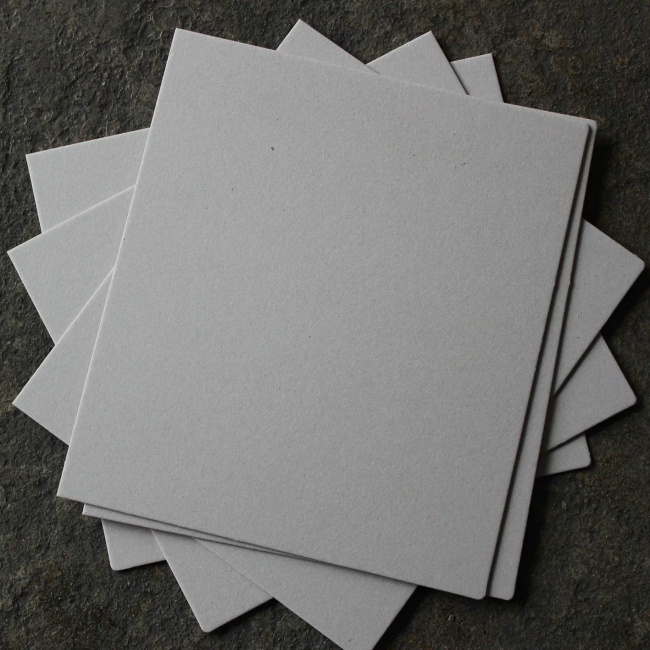
Good stiffness and hardness: The texture is hard, resistant to compression and bending, and not easily deformed.
Smooth surface: suitable for hot stamping UV、 Fine surface treatment such as embossing.
Strong processability: easy to die cut, paste, composite, and cut flat.
Environmental Economy: Made from recycled waste paper, with low cost and biodegradability.
Main Purpose
Gray board paper is often used as an inner lining or skeleton material, rather than the final appearance paper:
Premium packaging: lining for mooncake boxes, jewelry boxes, and electronic product packaging boxes.
Printing and binding: the cover, envelope, and back panel of hardcover books.
Industrial and stationery: folders, storage boxes, puzzle backboards, partitions.
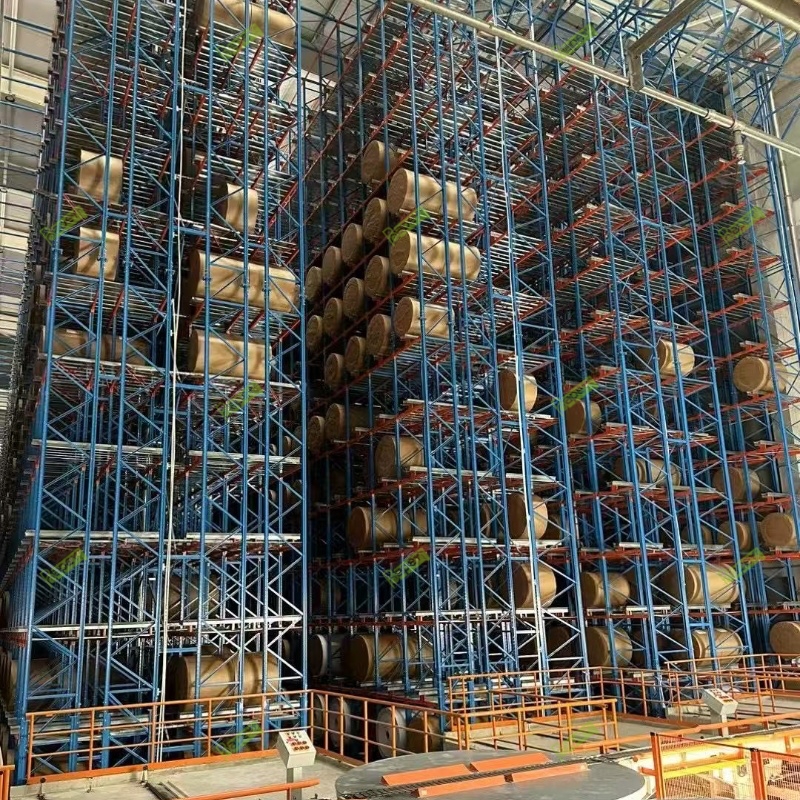
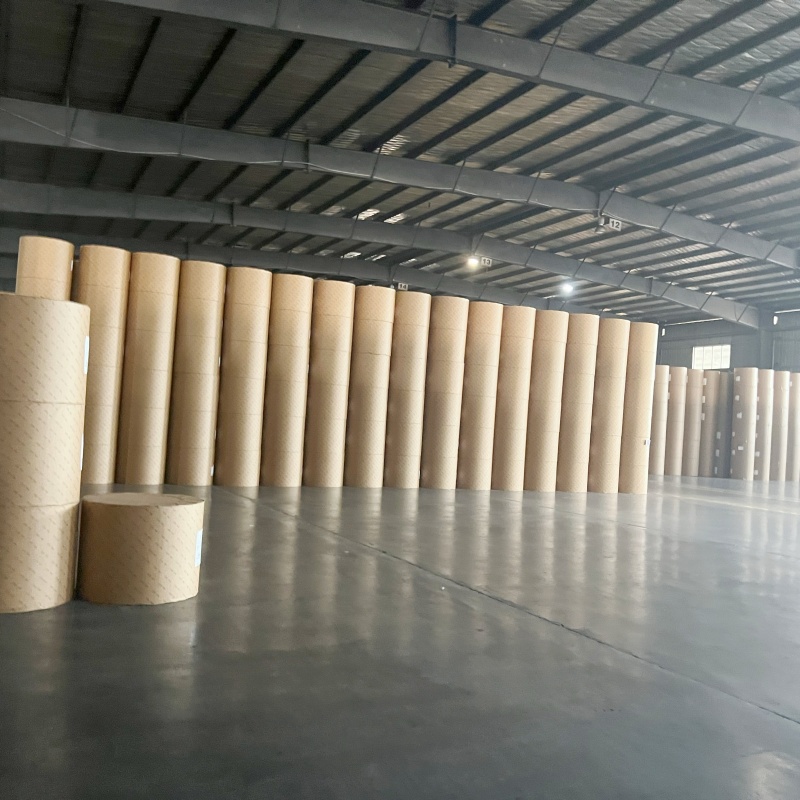
Overall, grey board paper is not a "universal material", but in its area of expertise - structural substrates that require stiffness, thickness, and appearance requirements borne by surface paper - it has almost no more economical alternatives. The key to selection is to match the weight and thickness according to the intended use of the finished product, control the moisture and storage environment, and leave room for batch differences.