+86-21-20919968


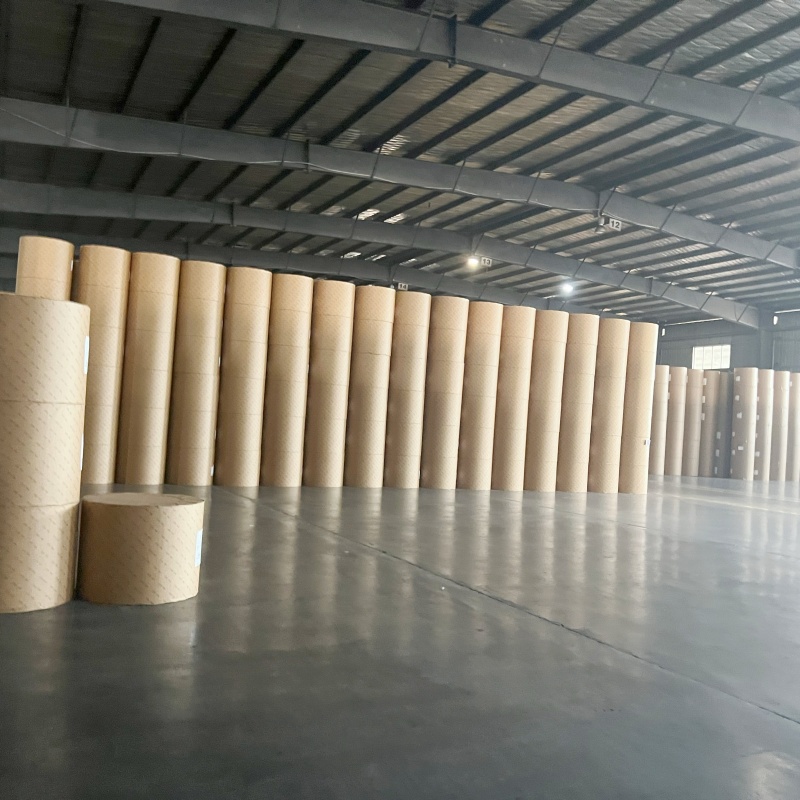
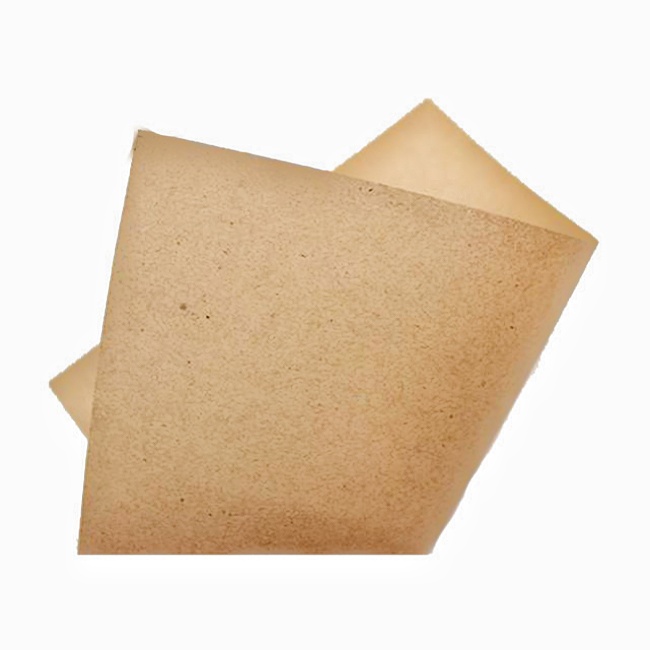
Kraft paper,as the name suggests, is a type of paper with a yellowish-brown color and a tough texture resembling cowhide, primarily known for its high strength. Initially, it was indeed named for its brownish-yellow hue and resilient texture. Today, kraft paper also broadly refers to a series of papers produced using similar processes, characterized by high strength, including unbleached kraft paper and bleached white kraft paper.
The manufacturing process and raw materials of kraft paper are the fundamental sources of its high-strength characteristics.
Wood pulp is the primary raw material for producing kraft paper, typically using long-fiber pulp from coniferous trees (such as pine and fir) because the long fibers can interweave into a more robust network structure. To reduce costs and improve environmental sustainability, a certain proportion of recycled pulp is also incorporated, though this will correspondingly reduce the strength. Meanwhile, some chemicals, such as sodium sulfate, are added during the pulping and papermaking processes. In the "sulfate process," sodium sulfate provides sulfur, which is crucial for enhancing fiber strength.
The key process in manufacturing kraft paper is the sulfate pulping method, which is also the reason for its name. It primarily involves the following four steps.
Cooking: The wood chips are boiled together with "white liquor" (mainly composed of sodium hydroxide and sodium sulfide) under high temperature and pressure. This process effectively dissolves the lignin in the wood chips—the "glue" that binds the fibers—while preserving the strength and length of the fibers to a considerable extent.
Washing and Screening: The cooked pulp is washed to remove residual chemicals and dissolved lignin.
Bleaching: This step is optional. If white kraft paper is required, the pulp is bleached; unbleached pulp results in the common natural color kraft paper.
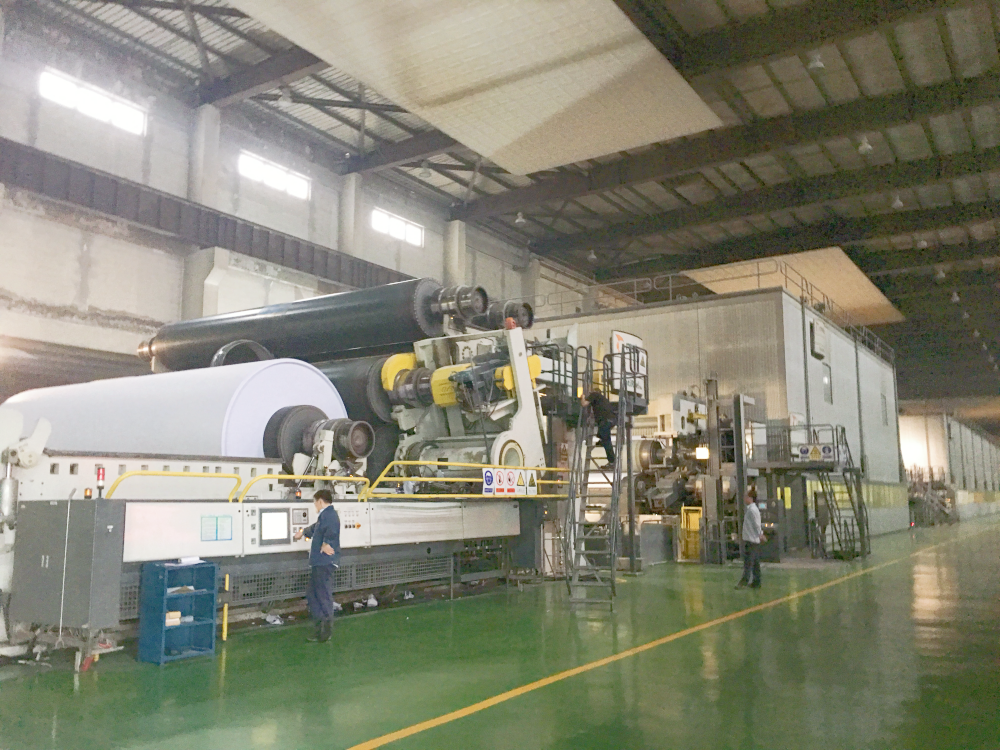
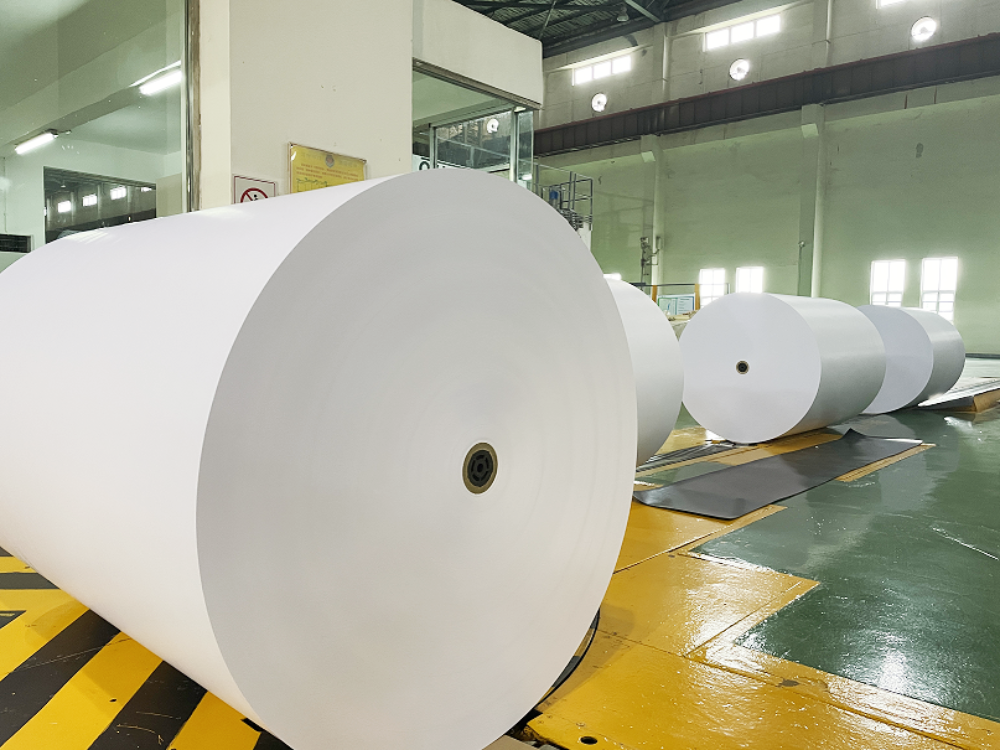
Papermaking: The process involves diluting the pulp, forming it, pressing to remove water, drying, and finally winding it into rolls using large paper winding machines.
The main characteristics of kraft paper
High strength and tear resistance:These are the primary characteristics of kraft paper. Its strong fiber bonding provides resistance to stretching, tearing, and abrasion, enabling it to withstand significant tension and pressure without easily breaking.
Environmentally friendly and recyclable: Kraft paper is primarily made from natural wood pulp, making it easy to recycle and naturally degrade. Compared to plastic packaging, it is a more sustainable and eco-friendly choice.
Excellent printing performance:Although the surface of kraft paper is relatively rough, it has high flatness and excellent ink absorption capability, resulting in clear and durable printed patterns.
High cost-effectiveness: With widely available raw materials for kraft paper production and mature manufacturing processes, making it relatively cheaper compared to other high-strength packaging materials.
It possesses a certain degree of waterproof and moisture-proof properties: Native wood pulp fibers inherently have some waterproof and moisture-proof capabilities, which can be further enhanced through subsequent processing such as lamination or plastic coating.
Natural and Simple Appearance: The unbleached kraft paper retains its natural beige hue, exuding a sense of retro charm, warmth, and reliability, often used to craft specific brand identities.
The primary printing techniques suitable for kraft paper
There are primarily two categories: traditional printing and digital printing, each suitable for different order quantities and requirements.
Traditional printing methods require plate-making and are suitable for orders with large quantities and low cost requirements, which can be further categorized into flexographic printing, offset printing, and screen printing. Flexographic printing is the most mainstream and cost-effective method for kraft paper packaging, utilizing elastic resin plates for printing. It meets environmental requirements and features light printing pressure, which imposes fewer demands on paper quality. This printing method is ideal for products such as tote bags, shopping bags, industrial packaging bags, and food packaging, and can be implemented in a continuous production process. However, its printing precision and halftone resolution generally fall short of offset printing, making it less suitable for overly intricate gradients or four-color halftone images.
The second method is offset printing, which employs the principle of ink balance and transfers images via an anilox roller. It offers high printing precision, making it suitable for kraft paper products with complex patterns, rich colors, and stringent quality requirements, such as gift boxes and book covers. This printing method delivers excellent image reproduction, vibrant colors, and rich tonal layers, but it demands high-quality kraft paper, preferably white or light-colored kraft paper with a coated or calendered surface. The cost is relatively higher compared to flexographic printing, and the preparation process is more complex.
The third method is screen printing, where ink is transferred onto the substrate through a stencil, resulting in thick ink layers and strong coverage. It is ideal for localized spot colors, thick ink layers, and special effects, primarily used for printing brand logos, simple slogans, and handmade creative products that emphasize unique textures on kraft paper bags.
Digital printing eliminates the need for plate making, as computers directly output the images. This method is flexible and efficient, making it suitable for small batches, personalized printing, and short-run rapid printing.
The first type is inkjet printing, which primarily involves spraying ink onto the paper surface through tiny nozzles. It is ideal for printing customized kraft paper bags, personalized gift packaging, and other small-batch products. The advantages of this printing method include low minimum print quantity, variable data printing, and extremely short delivery cycles. However, it is essential to use pigment-based ink, as its particles adhere to the surface and resist spreading. Additionally, specialized inkjet kraft paper with pre-coated treatment is recommended to achieve optimal results.
The second type is electrophotographic printing, with typical equipment such as production-grade digital printers and high-end laser printers. These use toner or electronic ink for printing, offering broad paper adaptability, clear text and lines, and suitability for printing kraft paper envelopes, document folders, and small-batch commercial print materials. However, it should be noted that rough kraft paper surfaces may cause toner to adhere poorly and be prone to scraping off. Electronic ink provides better adaptability and more vibrant colors.
The Uses of Kraft Paper
Kraft paper has a wide range of applications and is used across many industries, with its primary use being in the packaging sector. It can be employed for shopping bags, food packaging bags, tote bags, and more. In the industrial sector, it serves as packaging material for goods such as cement and fertilizers, with multi-layer kraft paper bags offering exceptional strength. It is also used for courier envelopes, document folders, and as filler material for fragile items. Additionally, it functions as the "core paper" or "linerboard" in corrugated cardboard, providing essential structural support and compressive strength.
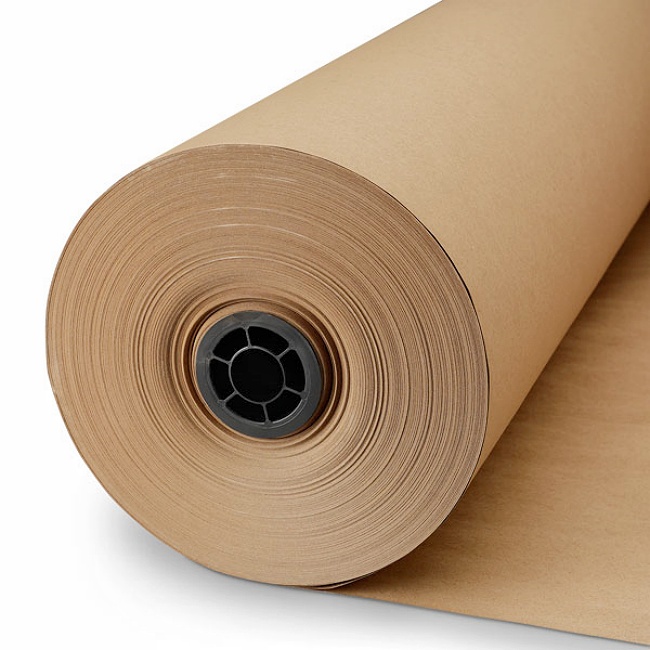
In summary, kraft paper is a high-strength paper primarily made from long-fiber wood pulp through the sulfate pulping process. It perfectly balances strength, environmental friendliness, cost, and aesthetics. From heavy-duty industrial packaging to elegant gift bags in daily life, it is an indispensable foundational material.