+86-21-20919968


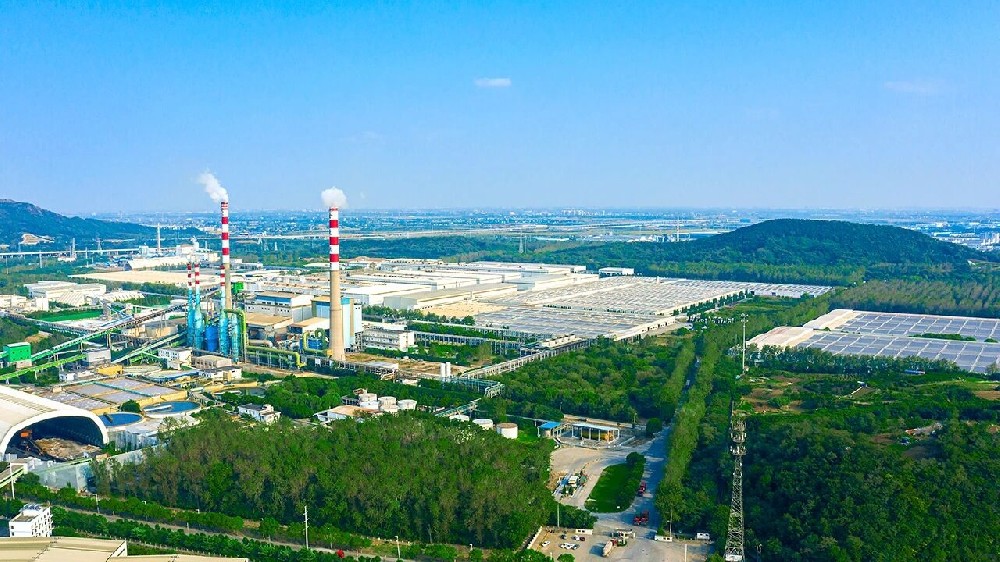
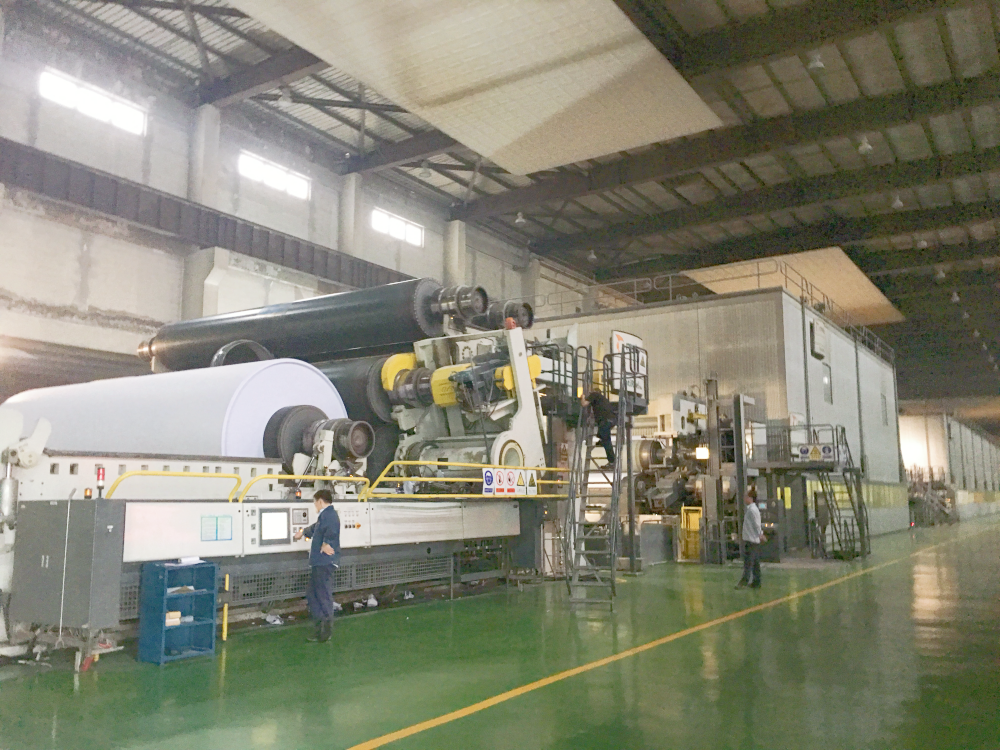
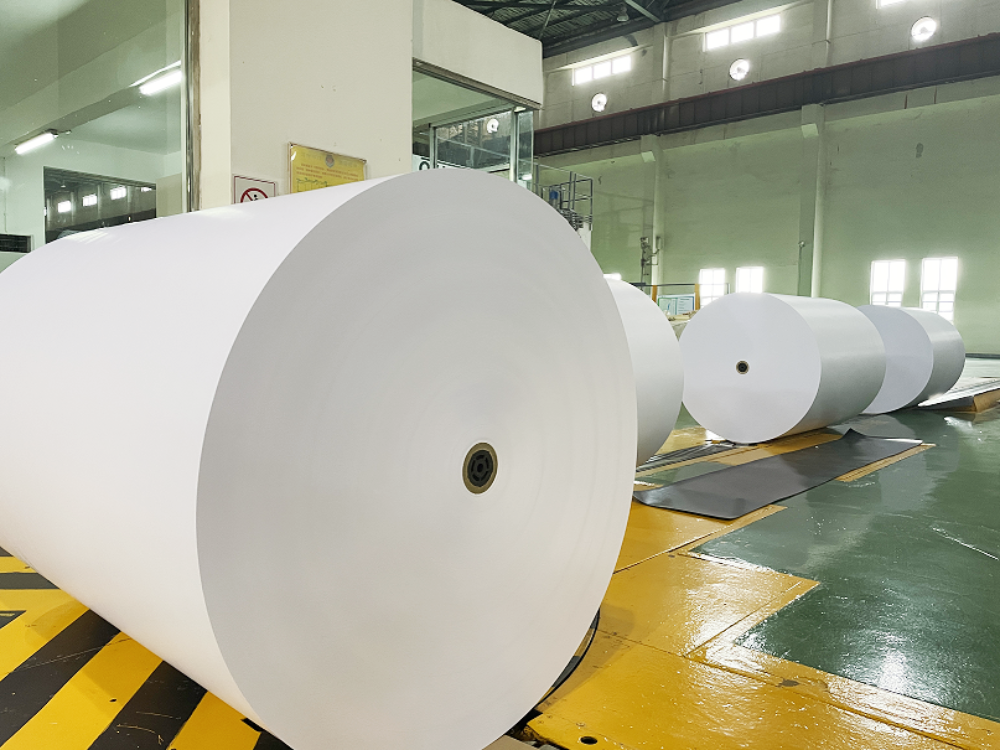
Pulp is a fibrous material produced from plant fibers through processing and serves as the primary raw material for paper and cardboard manufacturing. In recent years, domestic pulp production has experienced significant fluctuations due to factors such as timber harvesting and waste paper import policies. With the ongoing deepening of supply-side reforms, outdated production capacities in China's pulp industry have been gradually phased out, while high-quality capacities have been systematically released. This has enhanced the supply of high-quality, low-pollution pulp, contributing to the sustainable development of the paper industry.
From the overall performance of the paper making industry, driven by the "dual carbon" strategy and consumption upgrading, China's pulp and paper industry and paper products sector demonstrated outstanding performance in 2024, with total industry output reaching 295.93 million tons, marking a slight year-on-year increase of 1.56%. Among this, the production of paper and paperboard reached 136.25 million tons, growing by 5.09% year-on-year, reflecting the recovery in demand for packaging paper and the significant achievements of intelligent upgrades in cultural paper products.
The growth and consumption of pulp production
In 2024, pulp production saw a significant increase, reaching 94.54 million tons, with a year-on-year growth of 7.15%. Among this, wood pulp production led the market with a growth rate of 13.58%, further demonstrating the accelerated advancement of the integrated forest-pulp-paper strategy. The raw material self-sufficiency rate exceeded 76%. Meanwhile, recycled pulp production also reached 63.18 million tons, growing by 6.44% year-on-year. Recycled pulp accounted for 66.8% of total production, highlighting the driving effect of circular economy policies on the industry. The consumption structure exhibited a "dual pillar" characteristic, with both wood pulp and recycled pulp jointly supporting the market. Specifically, wood pulp consumption accounted for 41%, while recycled pulp consumption reached as high as 55%. Additionally, domestic waste paper recycling reached 6,971 tons, with recycling and utilization rates hitting 51.1% and 51.6% respectively, showcasing the industry's robust circular capabilities.
Paper Products Production and Consumption
In 2024, the paper products industry faced challenges, with the national output of paper products by enterprises above the designated size reaching 65.14 million tons, a year-on-year decrease of 1.39%. Meanwhile, consumption volume dropped to 58.85 million tons, declining by 13.75% year-on-year. Despite being impacted by both digital substitution and consumption upgrades, some enterprises achieved significant growth by innovating high-value-added products such as decorative paper and specialty packaging paper, driving the industry toward higher value-added transformation.
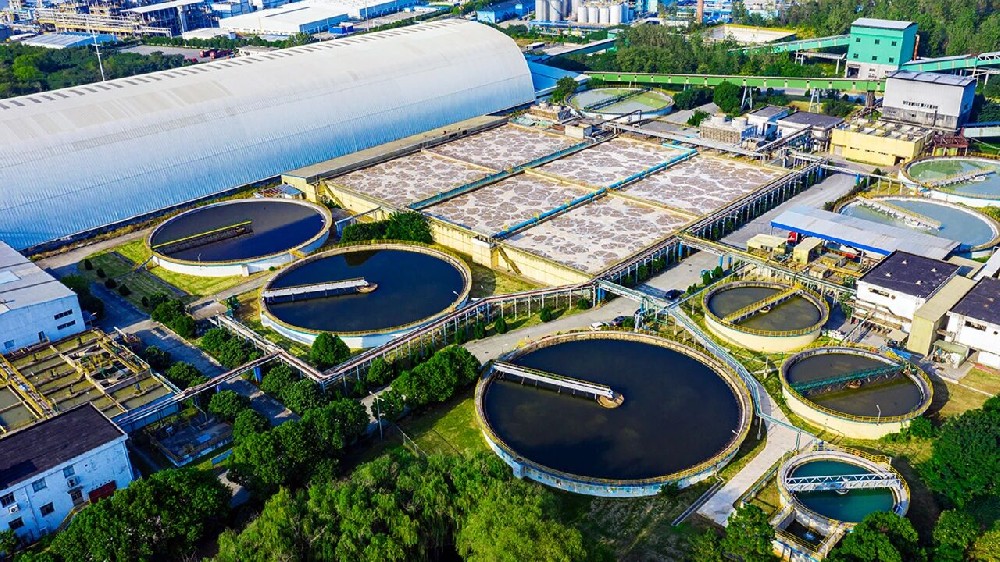
In the future, the paper products industry must achieve structural breakthroughs through technological upgrades, new product development, and green manufacturing. At the same time, reducing water consumption per ton of paper is one of the key goals for the industry's future development.