+86-21-20919968


Copy paper, also known as office paper or printing paper, is one of the most fundamental and commonly used consumables in modern offices. Its quality directly impacts printing results, equipment lifespan, and professional image. It is typically categorized into two specifications: roll-fed and flat-sheet.
The main raw materials of copy paper
The primary raw material for copy paper is wood pulp, which can be categorized into the following types based on its source and processing methods:The first type is all-wood pulp, characterized by long fibers, high toughness, and high purity. Paper made from this pulp exhibits high strength, resistance to pilling and dusting, and maintains its integrity over time without yellowing or becoming brittle. It is primarily used for producing high-end copy paper, important documents, and materials requiring long-term preservation in archives.
The second type is grass pulp or hemp pulp, which has shorter fibers and lower tensile strength compared to wood pulp. It primarily comes from non-wood fibers such as straw, wheat straw, and reeds. The paper made from this pulp has a rough surface, tends to yellow and become brittle, and may produce paper dust, which can cause wear on printer nozzles and toner cartridges. This grass pulp is mainly used for producing temporary internal documents and is now relatively rare. Most copy paper on the market today is a blend of wood pulp and some grass pulp, with ratios adjusted to balance cost and performance.
In addition to the primary raw materials, other auxiliary materials are also added. The first are fillers such as calcium carbonate, talc, and kaolin, which are used to fill the gaps between fibers, improving the paper's opacity, smoothness, and brightness. Next is the sizing agent, which is applied to the pulp to enhance the paper's water resistance and prevent ink bleeding during writing. Finally, there are dyes or optical brighteners, which are used to adjust the color tone of the paper, making it appear whiter.
Common Size and Weight of Copy Paper
The first type is the International Standard A Series, the most widely used standard globally, with common sizes including A5, A4, and A3. The A4 size measures 210×297 mm and is the most commonly used office and printing size, suitable for the vast majority of documents and letters. The A5 size is half of A4, typically 148×210 mm, primarily used for notebooks, manuals, and brochures. The A3 size measures 297×420 mm, twice the size of A4, and is used for tables, charts, and small posters. In most cases, A4 is the mainstream choice in China and many other countries.The second type is the North American standard, with the common Letter size measuring approximately 216×279mm, which is the most widely used office paper in North America. Next is the Legal size, approximately 216×356mm, primarily used for contracts and legal documents. Finally, there is the Ledger/Tabloid size, around 279×432mm, equivalent to A3.
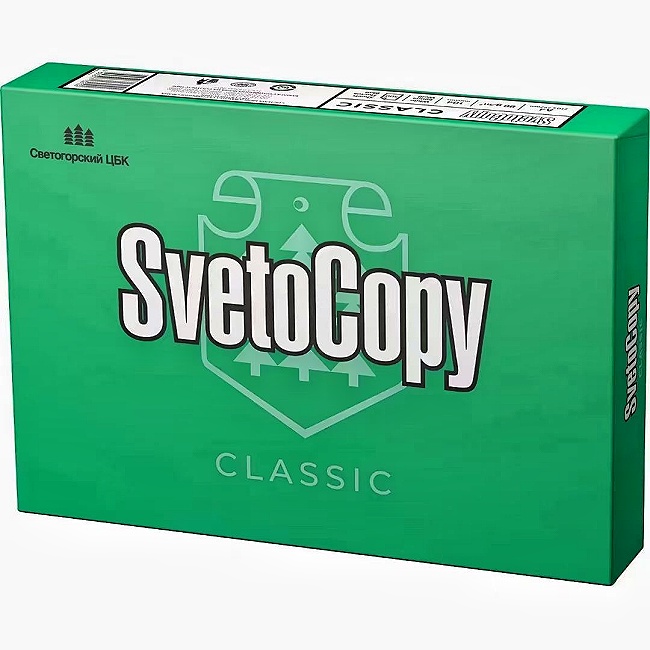
Grammage is a key metric for measuring the density and thickness of paper, with units of g/m² or gsm. 70gsm is an economical choice, featuring thinner thickness, suitable for bulk single-sided printing materials like drafts. Double-sided printing may show ghosting. 80gsm is the standard office option, offering moderate thickness, good stiffness, and minimal projection in double-sided printing. It is ideal for various formal reports, documents, contracts, and represents the optimal balance between cost-effectiveness and performance.
Another type is 90gsm and above. The 90-120gsm range falls under the category of thick card stock, which offers better color expression and a more three-dimensional effect, often used for brochures, important resumes, invitations, and menus. Paper above 150gsm is typically used for business cards, high-end packaging, and hanging tags.
Technical Features and Specifications of Copy Paper
When selecting the type of copy paper, we typically focus on the following key indicators. The first is stiffness, which refers to the paper's resistance to bending. Stiff paper is less prone to jamming during printing and maintains a smooth, crisp finish after printing, giving it a tactile quality. The second is brightness, which reflects the whiteness of the paper's surface. It is usually measured in percentages or described as "base white" or "high white." "Base white" has a soft tone, reducing eye strain during prolonged reading and being more environmentally friendly. In contrast, "high white" means the paper is extremely white, resulting in higher printing contrast and more vibrant text and colors. The third is opacity, which indicates the paper's ability to block the visibility of text or images on the back side. Papers with high opacity are ideal for double-sided printing, ensuring that the front and back sides do not interfere with each other. The lower the grammage, the higher the required opacity.
The fourth is smoothness and uniformity, which reflects the flatness and smoothness of the paper surface, as well as the uniformity of fiber distribution. Papers with high smoothness allow toner or ink to adhere more evenly, resulting in clearer and finer text and image reproduction, which is particularly important for color printing. Poor uniformity can lead to uneven color tones in printed output. The fifth is static electricity treatment, which involves anti-static processing during the paper making process to prevent the paper from sticking together due to static electricity, thereby avoiding issues like multiple sheets feeding at once, causing paper jams and machine malfunctions. Lastly, there is the pH level. Neutral paper has an exceptionally long preservation period, lasting over 100 years, and is resistant to yellowing or brittleness, while acidic paper has a much shorter lifespan. Currently, high-quality copy paper is predominantly neutral.
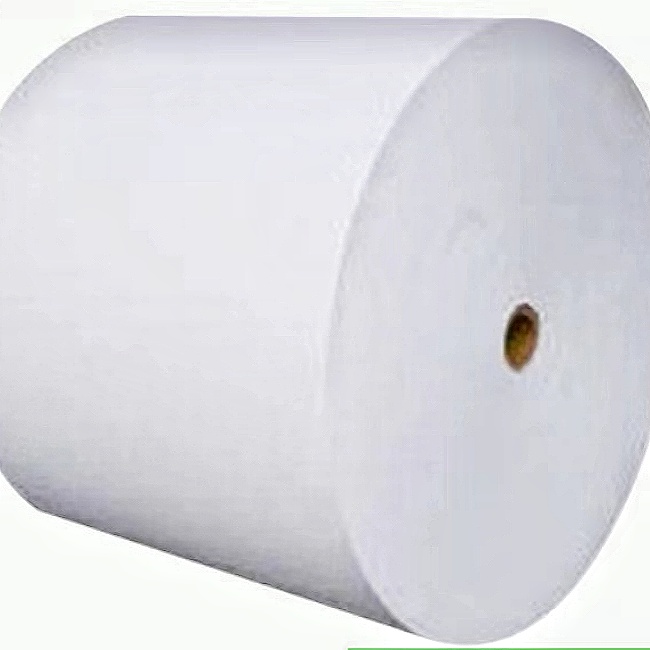
The uses of copy paper are very extensive, with the most fundamental applications being printing and photocopying, such as for reports, contracts, resumes, and exam papers. Additionally, it can be used for fax machines to receive and send documents, for writing and recording, as well as for crafting handmade items like origami, paper cuttings, and models.
Overall, copy paper is the most fundamental type of paper in daily life, widely used and also a key product recommended by Buildwise. Buildwise Office Paper 70gsm and 80gsm with high whiteness CIE 158-160.It is widely used in office paper,coping machine,fax machine,documents,advertising material,manuals,memos,reports,writing paper etc.It also is workable for BW laser printing,ink printing,laser printing,doible copy and made by 100% virgin wood pulp.When selecting, it's essential to consider factors such as the intended use, brand, size, weight, and technical specifications to choose the most cost-effective and suitable copy paper.