+86-21-20919968


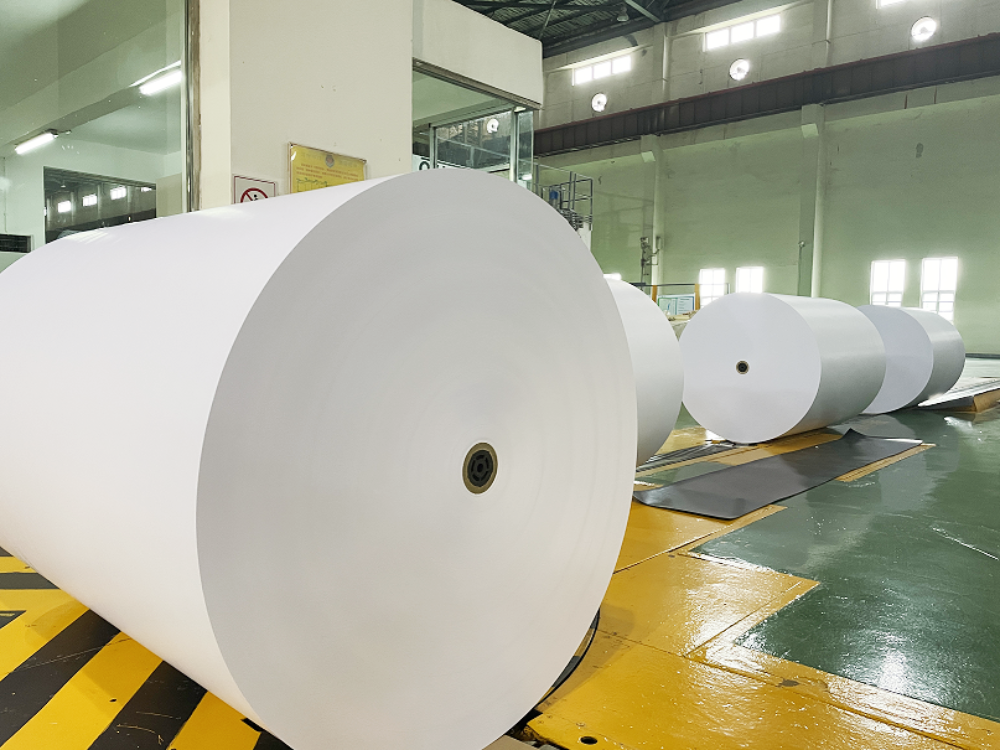
Thermal paper is a type of processed paper, also known as thermal fax paper, thermal recording paper, thermal copy paper, and in Taiwan, it is called thermal carbon paper. Its core meaning is to apply a layer of "thermal coating" (thermal discoloration layer) on high-quality base paper. When the paper comes into contact with a thermal print head, the chemicals in the coating undergo a chemical reaction due to heat, presenting text or images on the paper surface without the need for ink or toner, achieving inkless printing.
Working principle
The working principle of thermal paper is based on thermochromic reactions. The coating layer is primarily composed of two core substances: a leuco dye (such as crystal violet lactone) and an acidic phenolic developer (bisphenol A was commonly used in the early days). At room temperature, these two substances are in a "latent" state, coexisting peacefully. When a high temperature (typically above approximately 70°C) is applied by the thermal print head, the developer is melted by the heat, releasing protons (H⁺) that quickly react with the leuco dye molecules, triggering electronic structure reorganization. The originally closed molecular ring is forcibly opened in an acidic environment, altering the dye molecules' ability to absorb light, thus instantly revealing dark text or patterns.
The fading of handwriting is an inherent defect of thermal paper, primarily caused by three factors: acid-catalyzed hydrolysis, oxidation, and damage from ultraviolet light.
Ingredient Composition
The raw materials of thermal paper can be divided into two major parts: the substrate and the coating chemicals.
1. Base material raw material
The base material is primarily high-quality raw paper, typically made from a certain proportion of softwood pulp and hardwood pulp to ensure the strength and uniformity of the paper. Some high-performance products also use synthetic base materials such as BOPP film and PET film to enhance durability.
2. Chemical raw materials for thermal sensitive coatings
There are over ten types of chemicals used in the thermochromic layer, primarily consisting of the following components:
Colorless dyes, also known as leuco dyes, develop color when heated, and fluorescent compounds are commonly used as such dyes; then there are chromogenic agents, whose function is to undergo a chromogenic reaction with the dye; sensitizers are used to enhance the sensitivity of the coating and reduce the color development temperature; fillers are primarily calcium carbonate particles, used to improve uniformity and stability and reduce costs; then a binder is used to firmly adhere the coating to the base paper; stabilizers are used to enhance the stability and durability of the coating; lubricants are used to improve printing performance and reduce wear on the print head.
3. Protective layer and functional material
Long-lasting waterproof, oil-proof, and scratch-resistant thermal paper also includes a protective layer, typically composed of high molecular compounds such as polyvinyl alcohol. To achieve waterproof, oil-proof, and scratch-resistant functions, special materials such as PU (polyurethane), PVDC (polyvinylidene chloride), or PET are added.
Production process
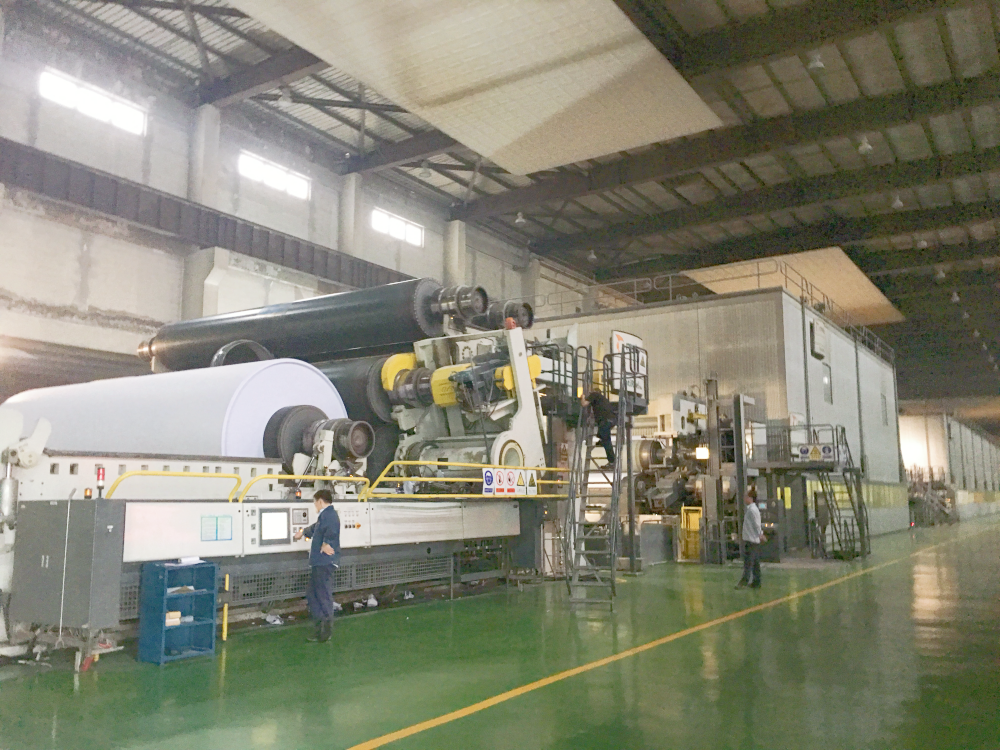
The production of thermal paper is a complex and meticulous process, with the main steps as follows:
1. Preparation of raw materials
High-quality raw paper is selected as the base material and processed through steps such as beating and pulp mixing to form raw paper suitable for coating. Meanwhile, specialized coatings are formulated according to performance requirements, with precise ratios of various chemical components.
2. Coating process
Coating is the core process, typically employing a multi-layer coating method:
Pre-coating layer application: Apply a pre-coating layer containing dispersants, inorganic pigments, etc. onto the base paper to enhance the surface properties of the paper and the adhesion of the coating.
Thermal coating application: Apply a thermal coating on top of the pre-coating layer, which is the key layer for achieving the desired printing effect.
Protective layer coating: Apply a protective layer on top of the thermosensitive coating to enhance waterproof, oil-proof, and stain-proof properties.
The main coating methods include roll coating, blade coating, spray coating, etc. The advanced multi-layer curtain coating process allows for one-time multi-layer coating, significantly improving production efficiency and reducing energy consumption.
3. Drying and curing
After coating, the paper needs to undergo drying and curing processes to remove the moisture and solvent in the coating layer, ensuring the coating layer is stably cured on the paper surface.
4. Subsequent processing
Calendering: Improve the glossiness and flatness of paper.
Cutting and packaging: Cut and package according to the specified dimensions, ensuring protection against moisture and contamination.
Quality control: Conduct comprehensive testing throughout the entire process to evaluate indicators such as paper strength, uniformity, water and oil resistance, and printing quality
Main purpose
1. Retail and POS
Thermal paper is most widely used in retail and POS systems, such as supermarket cashier receipts, convenience store receipts, and food delivery orders. Thin thermal paper (40-60g/㎡) is suitable for high-frequency, disposable use scenarios due to its portability and low cost.
2. Logistics and warehousing
Thermal label paper is widely used in the logistics industry for express delivery labels, inventory tags, pallet identifications, and more. Thick thermal paper (80-150g/㎡) boasts high durability, resisting friction from stacked goods and collisions during forklift operations, making the labels less prone to damage.
3. Medical industry
In the medical field, patient wristbands, test specimen labels, laboratory test reports, and laboratory reagent labels all utilize thermal paper. Thick thermal paper has high stiffness, making it easy to wear and affix, and can withstand minor corrosion in a disinfecting environment.
4. Finance and Vouchers
Thermal paper is also used for bank ATM receipts, queue numbers, lottery tickets, train tickets, boarding passes, etc.
5. Industry and Office
Parts turnover labels in industrial production, A4 thermal printing paper for mobile office use, etc.
6. Classification of thermal paper
Based on performance and application scenarios, thermal paper can be categorized into:
Ordinary thermal paper: With a shelf life of about 6 months, it is suitable for short-term needs.
Long-lasting thermal paper: The retention period can reach 2 to 10 years, and high-quality products can be stored for 5-10 years in an environment with a temperature of 24℃ and a humidity of 50%.
Three-proof thermal paper: It is waterproof, oil-proof, and scratch-resistant, making it suitable for use in harsh environments such as kitchens, logistics, and outdoor settings.
In summary, thermal paper, with its convenient ink-free printing advantage, is widely used in short-term recording scenarios. However, it is currently facing two major challenges: environmental protection and durability. In the future, it will evolve towards safer, more durable, and more intelligent directions. At Buildwise, we are also actively developing thermal paper products for free labels, which will be exported to various parts of the world.