+86-21-20919968


Colored paper, as the name suggests, refers to paper that has undergone dyeing or coating processes, presenting a variety of colors. It is not just a colored version of white paper, but also an important material widely used in various fields such as office work, art, education, crafts, printing, and packaging. It creates visual impact through rich colors and facilitates information classification.
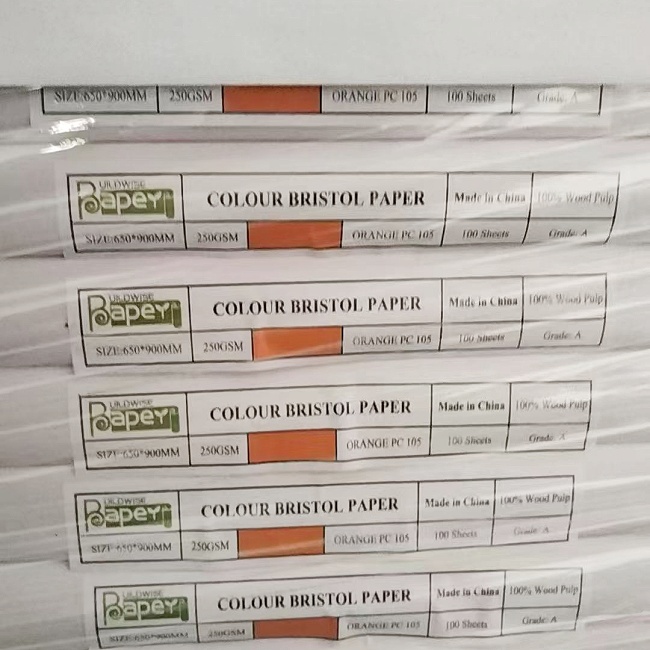
Raw materials and processes
Raw material
Fiber raw materials: Mainly wood pulp (coniferous wood pulp provides strength, while broadleaf wood pulp improves smoothness), with some low-cost colored paper mixed with straw pulp, bamboo pulp, or recycled waste paper pulp; high-end art colored paper may add cotton pulp or hemp pulp to enhance toughness and texture.
Colorants: They are divided into dyes (soluble in water, with bright colors but poor lightfastness) and pigments (insoluble, with good lightfastness and weatherability, but higher cost). Environmentally friendly products use water-based environmentally friendly color pastes or food-grade pigments.
Workmanship
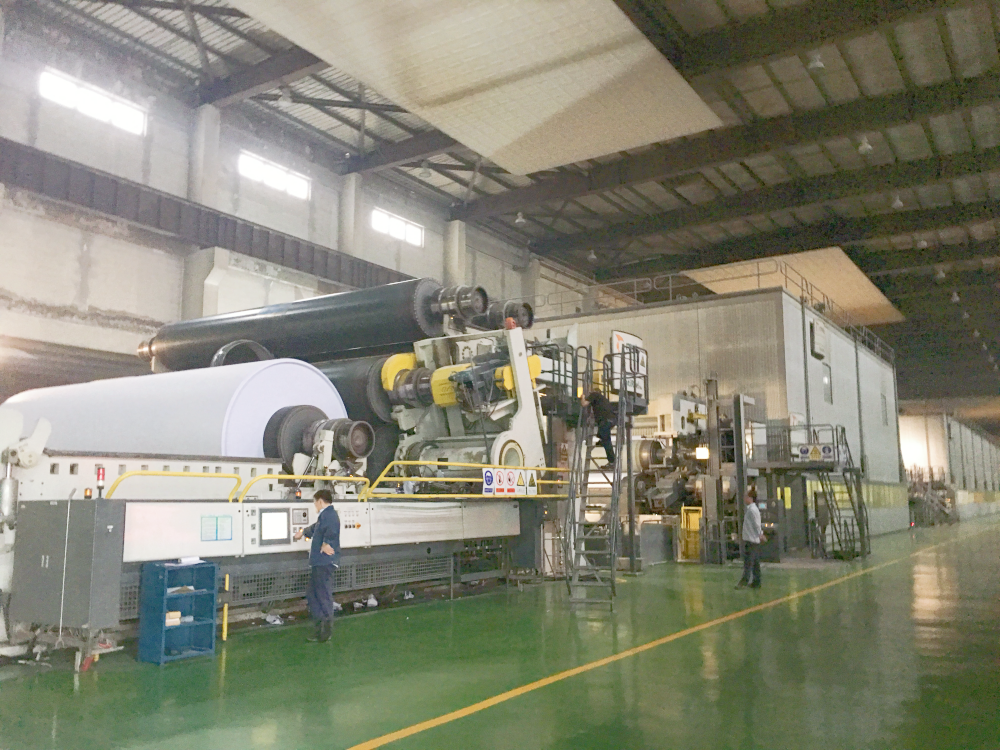
The production of colored paper primarily involves two approaches: dyeing of the raw pulp and surface dyeing
Original pulp dyeing: Before papermaking, colorant is added to the pulp to color the fibers as a whole. This method boasts extremely high color fastness, minimal color difference between both sides, and good rub resistance, making it the mainstream process for high-quality colored paper.
Surface dyeing: After the paper is formed, colorant is applied to the surface through coating or impregnation. This method is relatively low cost and can achieve special gradient or localized color effects, but the colors are prone to wear and have relatively poor lightfastness.
Special craftsmanship: Some colored papers are further processed with embossing, pearlescent coating, metallic luster, fluorescence, and other techniques to enhance their decorative appeal.
Feature
Rich colors: The basic color range includes red, orange, yellow, green, blue, purple, pink, black, gray, gold, silver, etc., with dozens of shades available to meet Pantone or customized color requirements.
High visual recognition: It is commonly used for information classification (such as notes, folders), highlighting key points, and conforms to the human eye's sensitive response to color.
Significant differences in physical properties: Low-weight colored paper typically exhibits good printability/writeability, but some surface-dyed products may affect ink drying speed due to the coating; high-weight colored cardboard has high stiffness and average folding endurance, but the cut edges exhibit rich colors.
Environmental protection attributes: Recycled colored paper and biodegradable colored paper are gradually becoming trends, especially products that meet EU and North American environmental standards, which require ensuring that the colorants are free of heavy metals and comply with directives such as ROHS.
Processing adaptability: It can undergo secondary processing such as die-cutting, creasing, bronzing, UV printing, and laminating, making it an ideal substrate for packaging and cultural and creative products.
Purpose
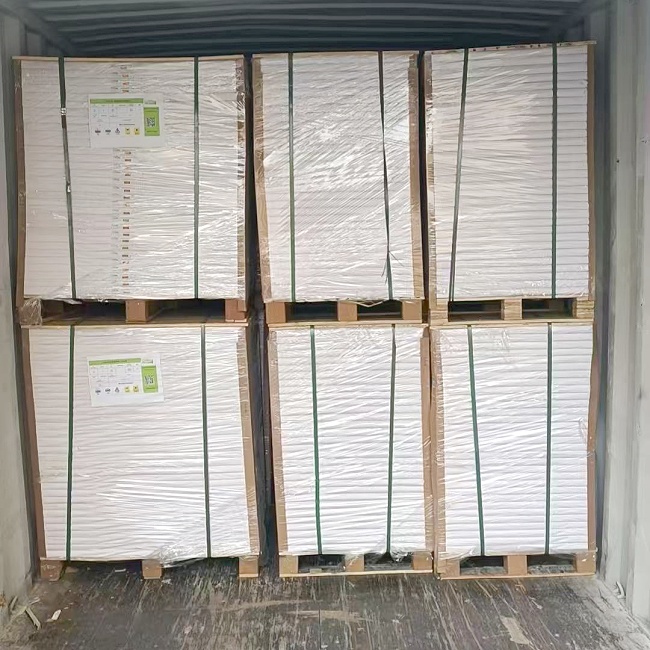
The application of colored paper spans multiple fields such as office, education, art, packaging, and commercial promotion. In the office and stationery sector, it is mainly used for colored printing paper, sticky notes, classification folders, index cards, and highlighter paper. In education and crafts, it can be used for children's origami, paper cuttings, collages, handmade newspapers, and teaching aid making. In the field of art and design, its main uses include lining gift boxes, gift bags, packaging filler paper, and wrapping paper for festival gift boxes. In commercial promotion, it is mainly used to make flyers, coupons, hangtags, and DM sheets (using color to attract attention). Of course, there are also other uses, including wedding invitations, invitation letters, three-dimensional greeting cards, album pages, and menu covers.
Overall, colored paper is a specialty or cultural paper with color expression as its core function. Through raw pulp dyeing or surface dyeing processes, it endows paper with rich visual language while maintaining its basic writing, printing, and processing properties. Its wide range of grammages and standardized specifications make it suitable for diverse scenarios, from lightweight printing to heavy-duty packaging.