+86-21-20919968


Watermark paper is a special type of paper that forms specific patterns or text inside the paper through special processes during the manufacturing process. Its core value lies in anti-counterfeiting, as the patterns formed are seamlessly integrated with the paper and cannot be replicated through methods such as photocopying or scanning. The standard weight is 60-250gsm, and there are standard sizes such as A4,787 × 1092mm.
Meaning and Principle
The principle of watermark paper is to change the local fiber density or thickness through mechanical means while the paper is still in a wet fiber state, thereby forming patterns with different translucency.
There are two main traditional methods for creating watermarks:
Embossing method: using watermark rollers or press rollers with concave convex patterns to imprint on wet paper sheets, causing some fibers to shift and become thinner or thicker when stacked.
Forming method: Install pre designed watermark graphic printing plates on the forming network of the paper machine, affecting the deposition of pulp fibers and forming areas of varying thickness.
In addition, there is a chemical watermarking technology that uses special chemical resins to penetrate paper and change local light transmittance to form patterns..
Raw materials and Processes
Main Raw Materials
Pulp fiber: To ensure the strength, durability, and purity of paper, high-quality raw materials such as 100% imported wood pulp, cotton pulp, or cotton linen fiber are usually used.
Chemical additives: In order to enhance the performance of paper, chemicals such as wet strength agents (such as urea formaldehyde resin) are sometimes added.

Core Production Process
Pulping and preparation: Raw materials such as wood pulp and cotton pulp are steamed, bleached, and beaten, and fillers and additives are added to make uniform pulp.
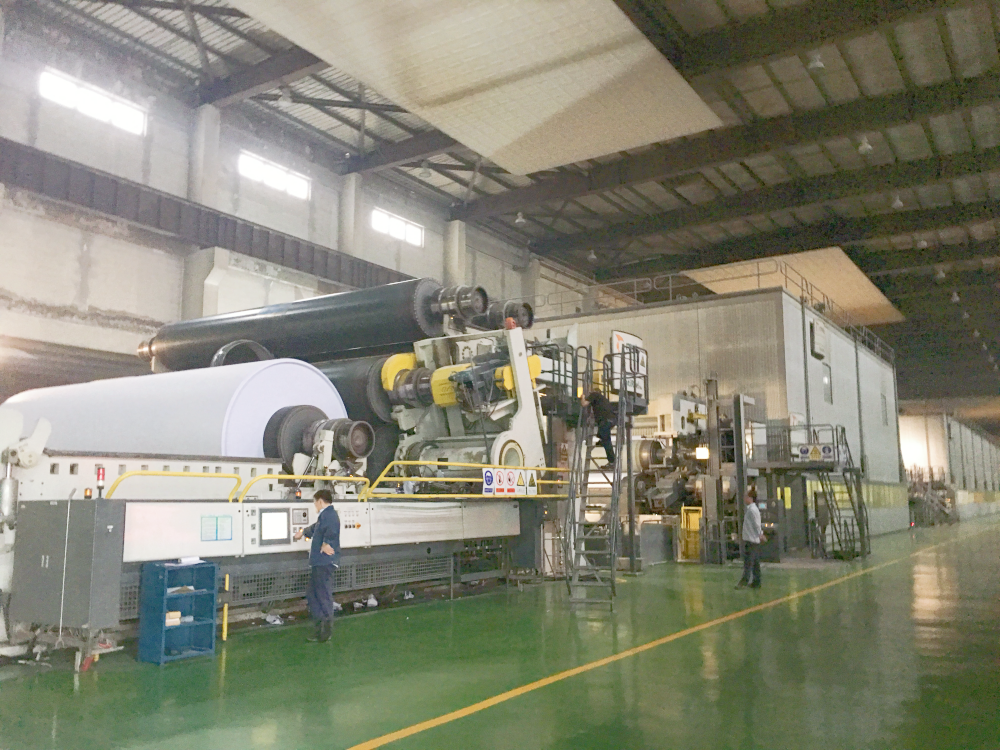
Copying and Forming: Pulp is dehydrated and formed in the web of a paper machine, resulting in wet paper sheets. This is the key step in forming a watermark.
Watermark formation: When the paper is still wet, the fibers are redistributed according to the design by embossing with a watermark roller or forming a specially made mesh, forming a difference in thickness.
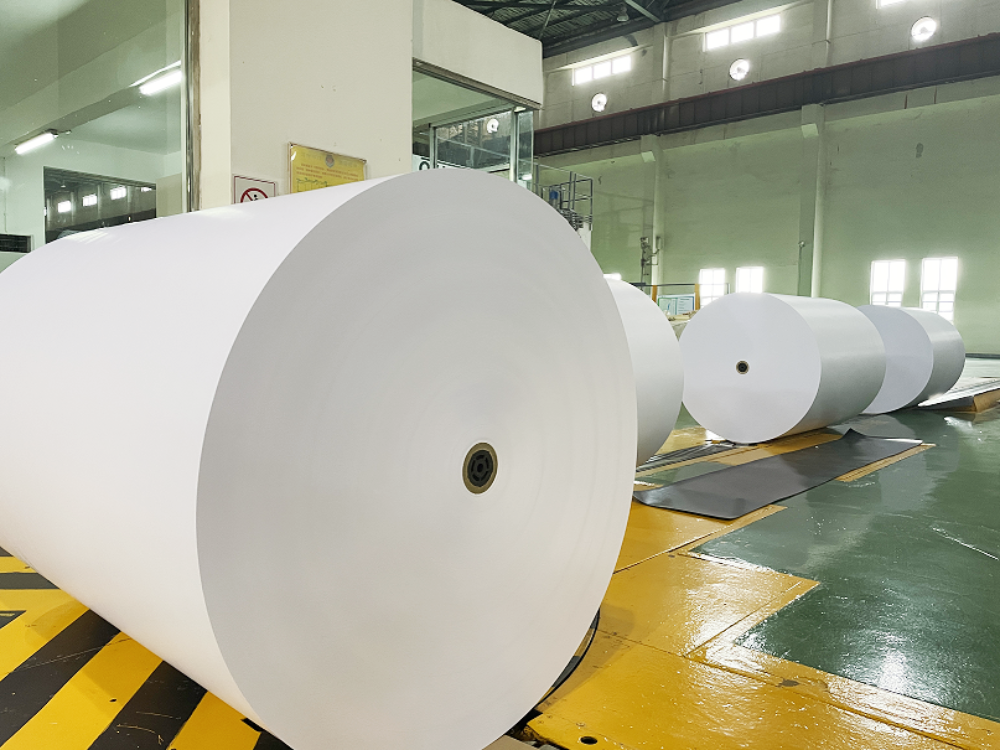
Post processing: Wet paper sheets are further dehydrated by pressing and then enter the drying section for drying. Finally, press, roll, and cut according to the requirements.
Technical Indicators
Whiteness: Reflects the degree of whiteness of paper. The range is very wide, ranging from 80% to 120%. It depends on the purpose, for example, the whiteness of banknote paper is usually low.
Opacity: The ability of paper to block light from passing through. The standard requirement is ≥ 85%, and for some products it is 70%. High opacity can prevent reverse printing of graphics and text.
Glossiness: The degree of gloss on the surface of a paper. For example, some watermark aluminum foil liners require ≥ 15%.
Dustiness: an indicator of the cleanliness of the surface of paper. There are usually strict limits on the amount of dust and foreign objects within a certain size range.
Fluorescent substances: To prevent forgery, high-quality watermark paper usually requires no fluorescence or extremely low fluorescent substance content.
Characteristics and Applications
Features
High anti-counterfeiting: The pattern is integrated with the paper and difficult to forge, making it the preferred choice for high standard documents such as banknotes and passports.
Not affecting usage: Watermarks do not affect the smoothness of the paper surface and have no impact on subsequent writing and printing.
There are various types: black watermark (thicker and darker pattern parts), white watermark (thinner and brighter pattern parts), and black and white watermark. Meanwhile, the layout of watermarks can also be divided into full page watermarks, positional watermarks (in fixed positions), and embossed watermarks.
Customizable: The watermark pattern can be customized according to customer requirements, such as company trademarks, names, etc.
Main Purpose
With its anti-counterfeiting and brand display functions, watermark paper is widely used:
High security areas: banknotes, passports, visas, stocks, bonds, important documents, etc.
Business and certificates: various certificates (graduation certificate, property certificate), financial documents, tax invoices, contracts, lottery tickets, etc.
Brand and packaging: high-end brands (such as Coca Cola, Visa) such as letterhead, business cards, invitations, as well as packaging and hang tags for wine labels, cosmetics, pharmaceuticals, luxury goods, and other products.
Ticketing: tickets, vouchers, point coupons, etc.
In summary, the soul of watermark paper lies in the physical anti-counterfeiting that coexists with the paper. Its value lies in integrating anti-counterfeiting with the paper itself, rather than adding it later.
The choice of watermark is essentially a balance between anti-counterfeiting strength and start-up cost: if pursuing top-level security and large-scale production (such as banknotes and invoices), traditional physical watermarking is the only choice; If you pursue fast response and small batch brand upgrades (such as certificates and tags), chemical watermarking is a cost-effective choice. Regardless, the ultimate goal is to add a visible and intangible endorsement of trust to your brand or product.