+86-21-20919968


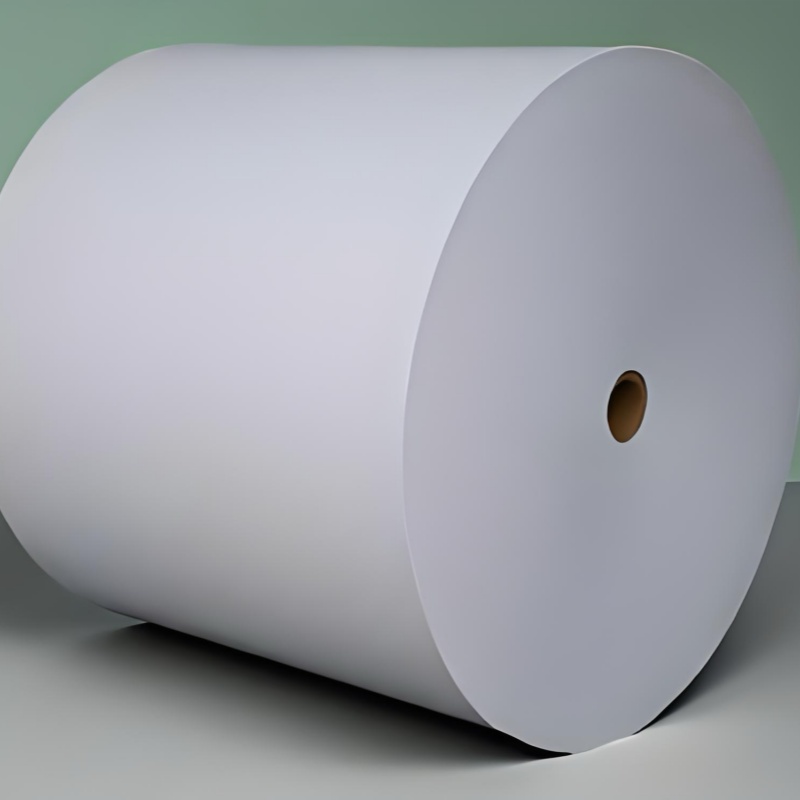
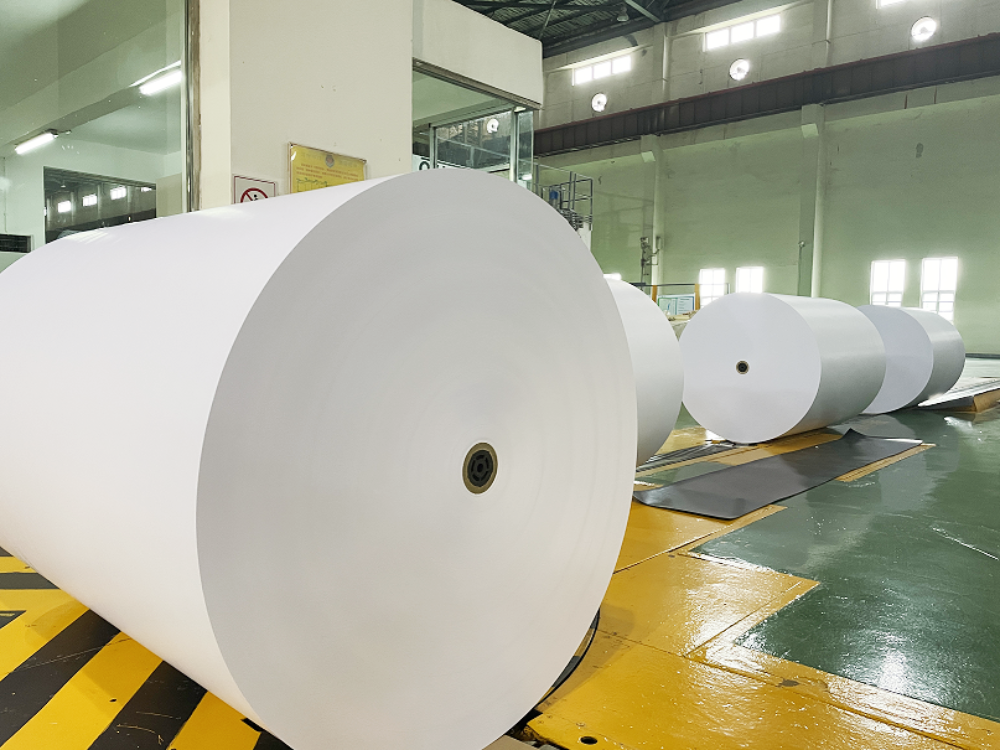
Coated paper, also known as art paper, refers to high-grade printing paper made by coating base paper with white clay and other coatings, followed by supercalendering. It can be classified into single-sided, double-sided, glossy, and matte types, with a typical weight of 80-350 GSM. The paper surface is smooth, bright, and has excellent ink absorption, available in both sheet and roll forms, with common sizes including 787×1092mm and 889×1094mm.
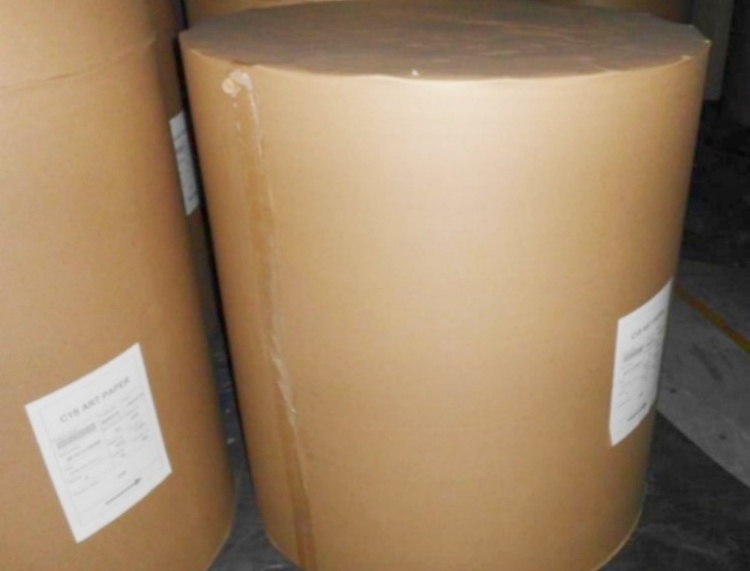
The raw materials for coated paper mainly rely on base paper and coatings.
Base paper usually uses wood pulp paper, which requires dense, uniform, tough, and strong characteristics to ensure that the paper does not easily deform or tear during the coating process.
The coatings mainly consist of three types: white pigments, adhesives, and additives. White pigments, such as kaolin, calcium carbonate, and titanium dioxide, are the main component of the coating and determine the whiteness, smoothness, and opacity of the paper. Adhesives, such as styrene-butadiene latex and starch, serve to firmly bond pigment particles together and adhere them to the base paper. Additives include dispersants, brighteners, lubricants, etc., which improve coating flow,increase whiteness,and adjust paper properties.
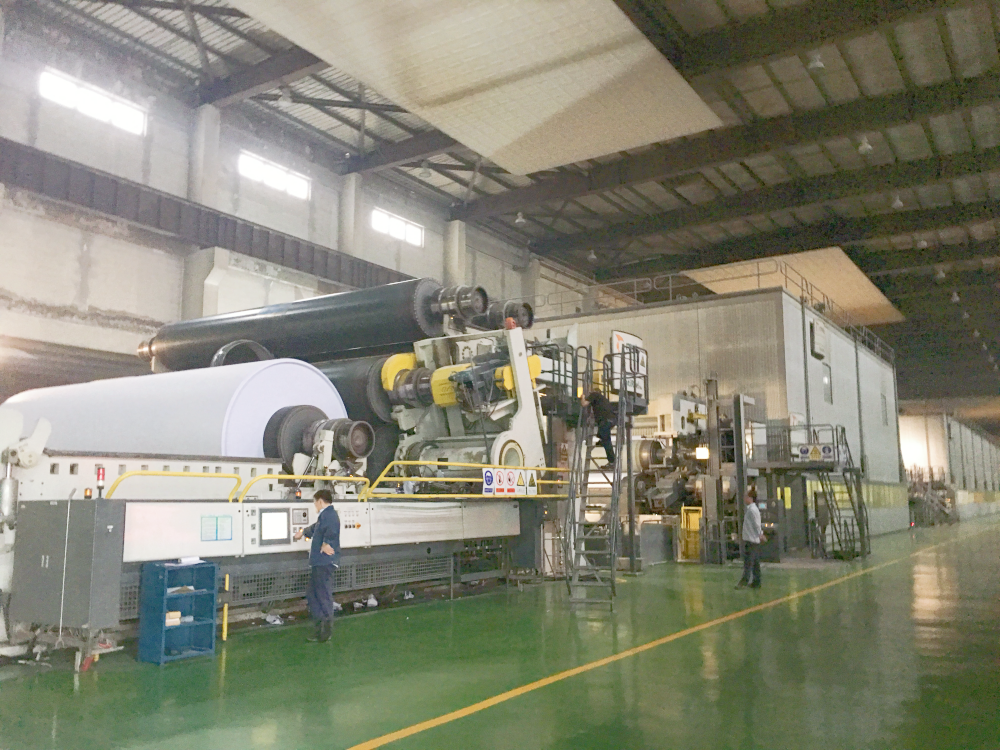
Regarding the production process of coated paper, the core processes are coating and calendering.
Coating: The prepared white pigment mixture is evenly applied to the surface of the base paper using advanced coating heads. Coating can be single-sided or double-sided.
Drying: The coated paper passes through a long drying tunnel where hot air evaporates the moisture in the coating, curing the layer.
Super calendering: This is the key step in forming the smooth surface of coated paper. The paper passes through a calender composed of alternating metal rollers and paper pulp rollers, where it is pressed under high temperature and high pressure. This process greatly enhances the smoothness, gloss, and density of the paper's surface.
Smooth and even surface with high gloss: After coating and calendering, the paper surface is extremely flat,ensuring stability and precision during printing.
High Whiteness: High-quality white pigments and whitening agents give it a high level of whiteness, providing a pure base color for printed materials.
Excellent printing effect: The smooth surface allows ink to adhere evenly and cure quickly without bleeding. The gloss and whiteness of the coating result in vibrant,rich printed colors, suitable for high-quality images and textual printing.
Good ink absorption: The moderate porosity of the coating allows it to absorb an appropriate amount of ink, enabling fast drying and fine printing results.
Durability: Coated paper has relatively high strength and wear resistance, suitable for high-speed printing equipment and subsequent processing requirements.
Publishing: Mainly used for book covers, illustrations, and high-end magazines.
Advertising: Used for color images, commercial ads, and brochures.
Packaging: Used for luxury gift packaging, cosmetic packaging, and food labels.
There are many types of coated paper. When selecting a type, start with the usage requirements, refer to the paper weight, which directly determines the paper thickness and stiffness, and most importantly, balance the budget.Higher weight is typically more expensive. Matte-coated paper of the same weight is generally slightly more expensive than glossy coated paper. Various indicators can be referenced to choose the most suitable coated paper product.