+86-21-20919968


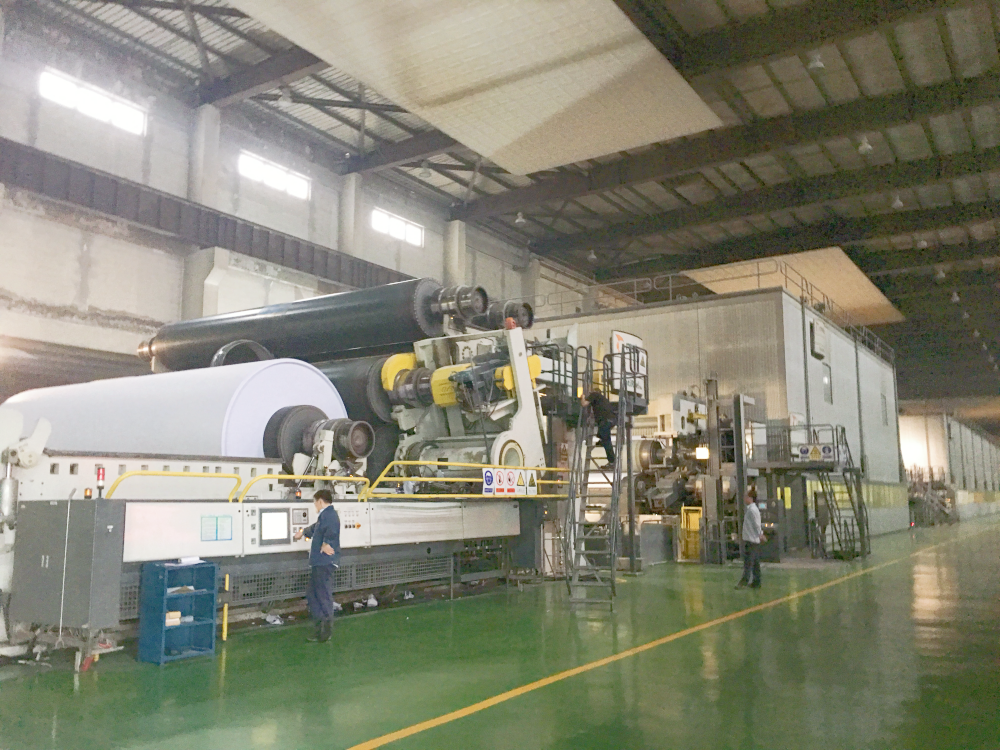
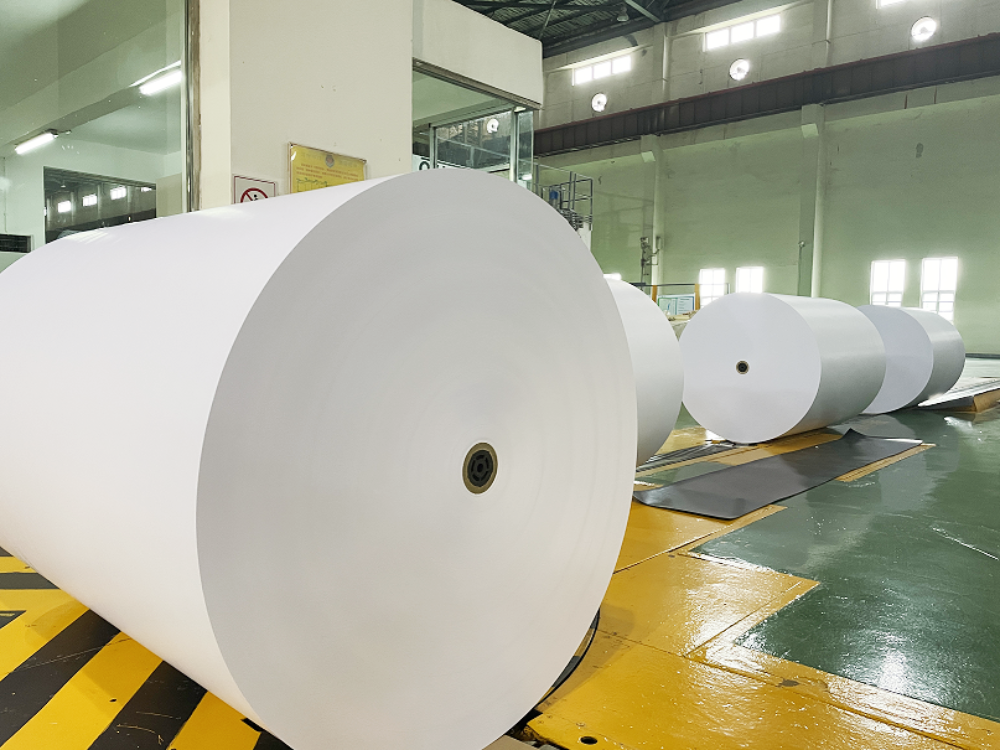
Tracing paper (also known as wax paper or tracing cloth) is a highly transparent paper primarily used to accurately transfer lines from a base image (such as sketches, blueprints, maps, etc.) onto the surface. Its core function is "light transmittance," allowing users to see the underlying design through the paper for tracing, modifying, or layering. It is a commonly used semi-transparent paper in mechanical drafting, featuring a smooth surface with a grammage ranging from 35 to 400g/m². Available in roll and flat sheet forms, it is typically grayish-white in color and widely used for engineering plotter base sheets, manual drafting, laser printing, and even the production of garment hangtags. The manufacturing process employs a long-net paper machine with low-temperature drying to ensure paper stability.
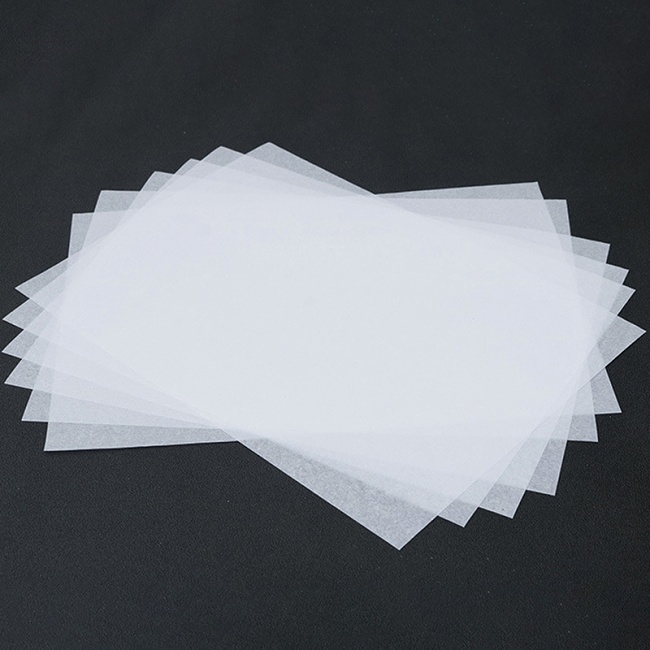
Raw Materials and Process
Main Ingredients:
Cellulose pulp: Typically made from high-purity, long-fiber chemical wood pulp (such as sulfite pulp), it has minimal impurities and is easy to process into dense structures.
Fillers and Compounds: To enhance transparency and surface smoothness, fillers such as resins, gelatin, or barium sulfate are added; sizing treatments (e.g., rosin sizing) can improve resistance to ink bleeding.
Core Process:
High freeness treatment: Pulp is subjected to prolonged beating, resulting in high fiber disintegration and fibrillation, forming a dense network that reduces light scattering between fibers.
Impregnation or coating: Some tracing paper undergoes impregnation with transparent resins (such as acrylic or polyester) or surface coating treatments to further enhance transparency, scratch resistance, and durability.
Calendering process: The paper is pressed through a super calender under high temperature and high pressure, resulting in an extremely smooth and flat surface that minimizes diffuse light reflection.
Feature
High transparency: Core feature, with light transmittance exceeding 80%, enabling clear display of underlying graphics.
Smooth surface: suitable for pencil, ballpoint pen, and fountain pen drawing, ensuring smooth lines and minimal bleeding.
Scratch-resistant: Resistant to rubber erasing and scraper modifications without easy damage.
Excellent stability: low expansion rate, minimal impact from temperature and humidity, ensuring drawing precision.
Environmental friendliness: Traditional products can naturally degrade, while modern coated types may contain chemical coatings.
Tracing paper has diverse applications across various fields. In design and art, it is used for illustrations and comics, such as under-drawing, storyboarding sketches, and clean line art. In fashion design, it facilitates layered modifications to garment sketches and fabric pattern transfers. For architecture and interior design, it serves purposes like hand-drawn scheme overlays and floor plan under-drawing. In engineering and drafting,it is employed for mechanical/architectural drawings—hand-drawn blueprints, revision of technical drawings, and production of secondary drawings (in the era of tracing paper). In circuit design, it was historically used for printed circuit board (PCB) routing. Additionally, it finds use in calligraphy practice, DIY projects, and map drafting.
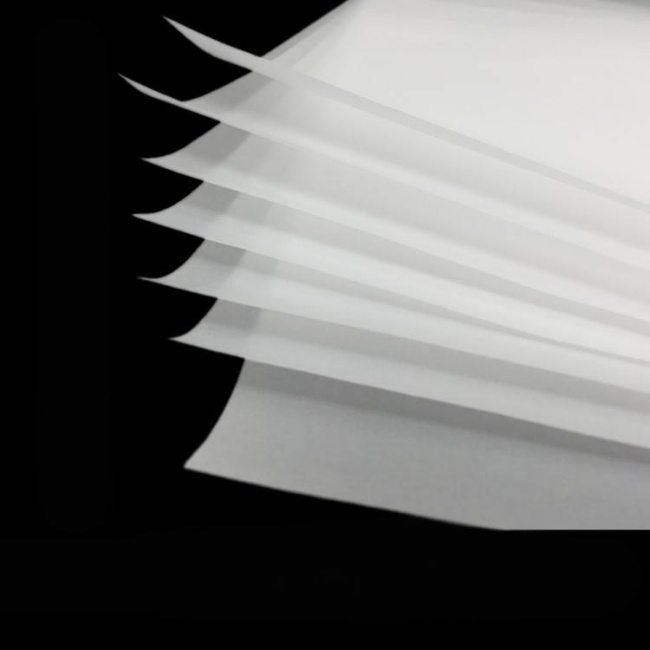
Precautions
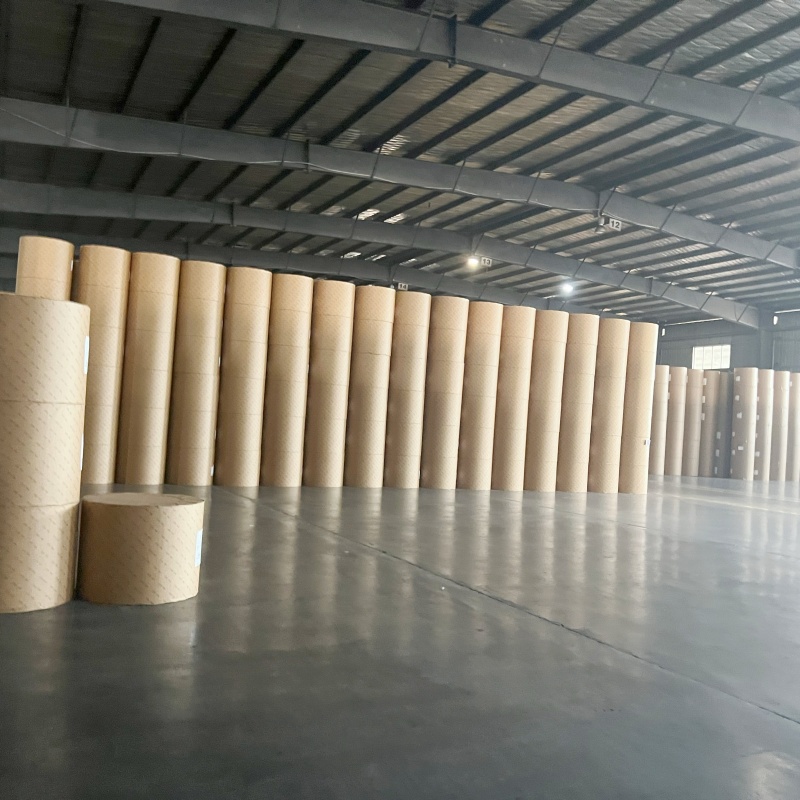
Storage: Avoid high temperature and humidity to prevent yellowing and brittleness.
Compatibility: Testing is required for ink bleeding when using oil-based ink; some models are compatible with laser printing.
Environmental Substitution: In modern digital workflows, digital drawings (such as CAD) and raster copy films (such as polyester film) are often used as substitutes, but tracing paper still holds irreplaceable value in manual artistic practices.
Overall, tracing paper serves as a vital medium bridging traditional craftsmanship and modern design, with its unique physical properties enabling continuous roles in precise drawing and creative expression.