+86-21-20919968


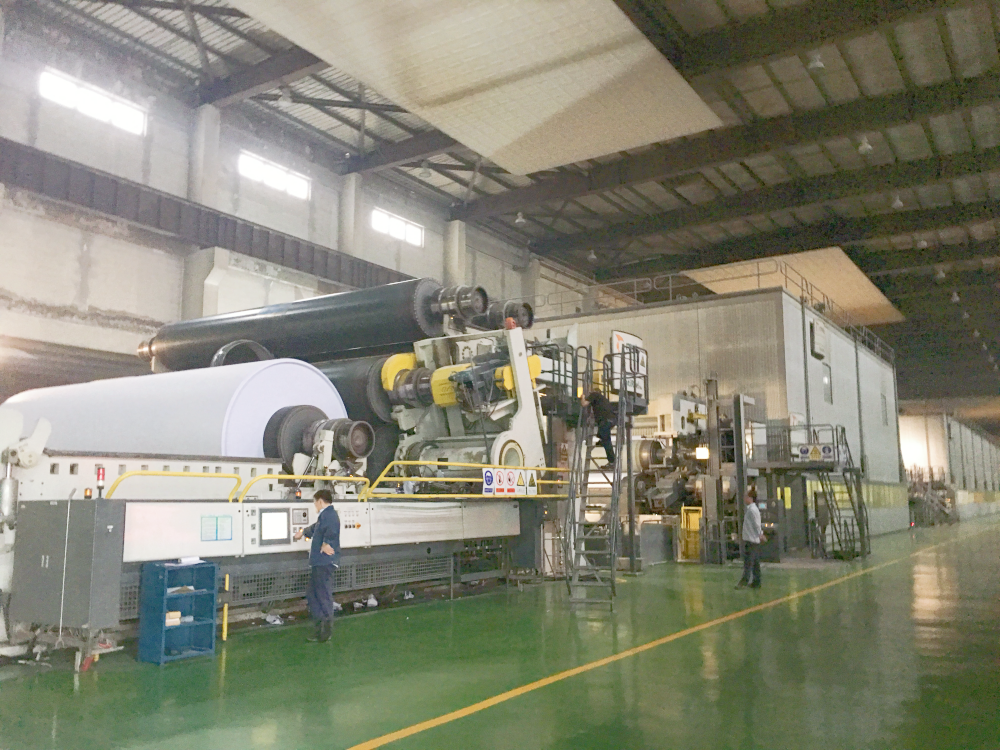
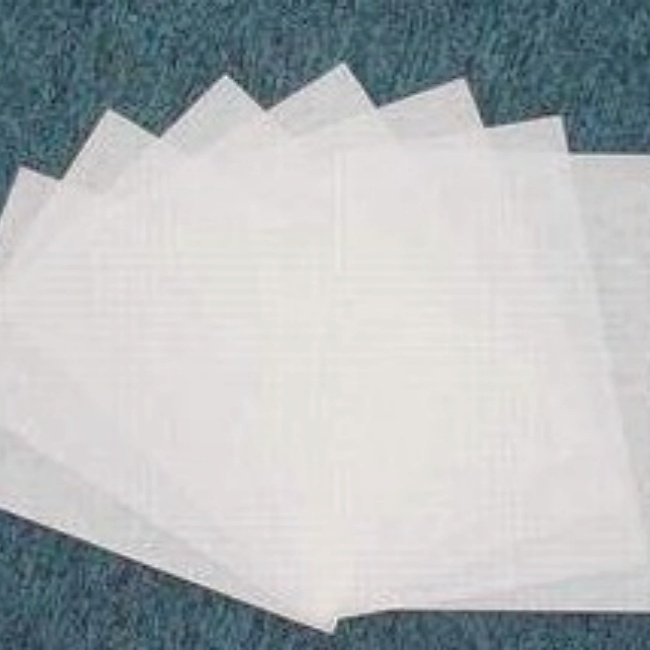
Greaseproof paper is a specialized type of wrapping paper, primarily made from virgin wood pulp or plant fibers, and is specially treated to prevent oil and grease penetration. In a broad sense, it refers to paper with oil-resistant properties; in a narrow sense, it denotes paper grades produced by manufacturing chemical wood pulp with a high beating degree or by coating the surface with oil-resistant agents like casein or resin. Its basis weight can be as low as 20g/m², characterized by low porosity, high smoothness, and high-temperature resistance. Production processes include direct forming on a Fourdrinier paper machine or coating with oil-resistant materials such as casein or resin.
Material Composition
The main component of greaseproof paper is virgin wood pulp or plant fibers. During production, oil-resistant agents or waterproof materials like polyethylene may be added to enhance its oil-resistant properties. The fiber structure of greaseproof paper undergoes high beating degree treatment, resulting in low porosity and high smoothness, which effectively prevents the penetration and absorption of oils and greases.
Characteristics
Oil/Grease Resistance: Greaseproof paper effectively resists the penetration of oils and greases, maintaining the freshness and appearance of food. It is widely used in food packaging, such as for hamburgers, sandwiches, and baked goods.
High Transparency: The high transparency of greaseproof paper allows consumers to see the product inside the packaging, making it suitable for displaying food items.
High-Temperature Resistance: Some high-quality greaseproof papers possess certain high-temperature resistance, capable of withstanding temperatures up to 200 degrees Celsius, making them suitable for baking and frying applications.
Good Strength: Greaseproof paper has a certain degree of strength, enabling it to hold and wrap substantial amounts of food without tearing easily.
Application Areas
Greaseproof paper is widely used in various fields, including food packaging, baking, and frying. It can be used not only for packaging oily foods but also as baking liner paper, steaming paper, etc. Due to its excellent oil-resistant properties and breathability, it is highly favored by chefs and the food industry.
Industry Context
The material composition and manufacturing processes of greaseproof paper make it an essential material in the food packaging industry. With increasing consumer focus on healthy eating, the application scope of greaseproof paper continues to expand. China's greaseproof paper industry has grown alongside the development of the packaging industry, with the sector's output value ranking among the world's top after 2008. Technological evolution shows trends towards multi-layer composite materials, the popularization of flexographic printing, and the application of nanotechnology. Environmentally friendly processes, such as fluorine-free and antibacterial oil-resistant agents, have become focal points of research and development. Current standards encompass international norms like GOST 1760-2014 and NF Q12-001, with testing items involving over ten quality parameters, including oil resistance grades and microbial indicators. Despite challenges such as insufficient process innovation, the industry is enhancing its competitiveness through lightweighting and digital technology upgrades.