+86-21-20919968


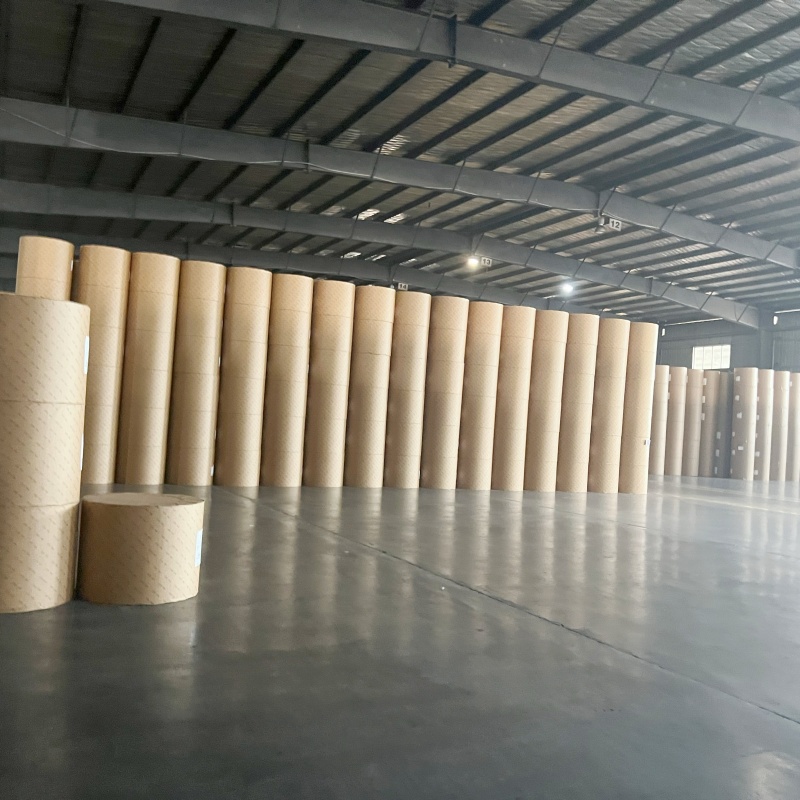
The official term for adhesive labels is self-adhesive label material, which is a multilayer composite material consisting of paper, film, or specialized materials as the top layer (front side), coated with adhesive on the back, and covered with a silicone-coated base paper (protective paper). Regarding adhesive label products, Buildwise has been developing our own adhesive label brand and exporting to other countries, with our brand logo affixed on the products.
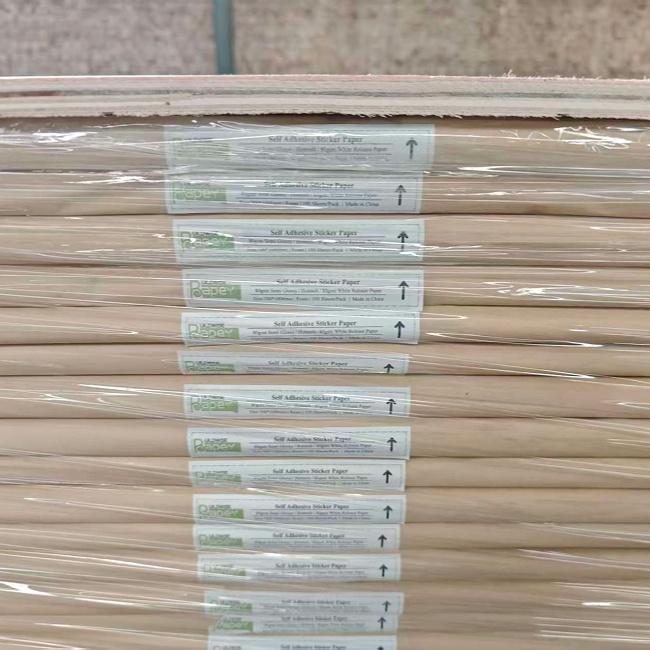
Self-adhesive products primarily consist of four layers: face material, adhesive, backing paper, and coating
Surface material: It refers to the printing surface, which determines the texture and purpose of the label. It can be paper types such as copperplate paper or thermal paper, or film types such as PET, PP, or PVC.
Adhesive: Located on the back of the surface material, it provides adhesiveness. Depending on different needs, there are various options such as permanent adhesive type, removable type, and strong adhesive type.
Backing paper: Also known as release paper, it is coated with silicone oil on its surface to protect the adhesive and ensure easy peeling during use.
Surface coating: Some surface materials have a coating layer to improve the printing effect and allow the ink to adhere better.
Raw material composition
The selection of raw materials for adhesive labels is highly flexible, primarily tailored to the final application:
Face material: The most commonly used are copperplate paper (suitable for color printing) and thermal paper (commonly used in supermarkets and express delivery services). Thin films such as PET (high temperature resistant, waterproof), PP (environmentally friendly), and PVC (good weather resistance) are used for high-end or special environments.
There are three types of adhesives. The first type is permanent, which is difficult to remove completely once applied; the second type is removable, leaving no residue after removal, suitable for tableware, home appliances, etc.; the third type is freeze-resistant, specifically designed for use in low-temperature environments, such as refrigerated foods.
The most common backing paper is glassine paper, which is a dense and smooth release paper. There are also PET or kraft paper materials.
Production process
The production of adhesive labels primarily involves two major steps: material lamination and printing processing
Material compounding (manufacturing adhesive raw materials)
Coating: core process. The adhesive is evenly coated on the base paper to form a thin and uniform adhesive layer. The current mainstream technology is evolving from traditional roll coating to more uniform flow-casting coating.
Lamination: Press the face material and the glued base paper together to form a complete roll of self-adhesive material.
Printing and post-processing (to produce the final label)
This is the process of transforming blank adhesive materials into exquisite labels, which is usually completed continuously on a label printing machine:
Printing: Adopt different printing methods according to specific needs
Letterpress printing: a mainstream technology in the Asia-Pacific region, with moderate cost, suitable for text and color blocks.
Offset printing: commonly used for paper labels in China, featuring fine graphics and text, and rich layers.
Flexographic printing: A mainstream technology in North America, it is environmentally friendly and efficient, making it suitable for large-scale production.
Screen printing: The ink layer is thick, with a strong three-dimensional effect, suitable for special effects.
Surface finishing: such as bronzing, varnishing, or laminating, to enhance the visual effect and durability of the label.
Die-cutting: Using a cutting die to cut the printed label through the surface material according to its shape, while retaining the backing paper.
Waste removal: Automatically peel off the excess blank material around the label, leaving only the finished label on the backing paper.
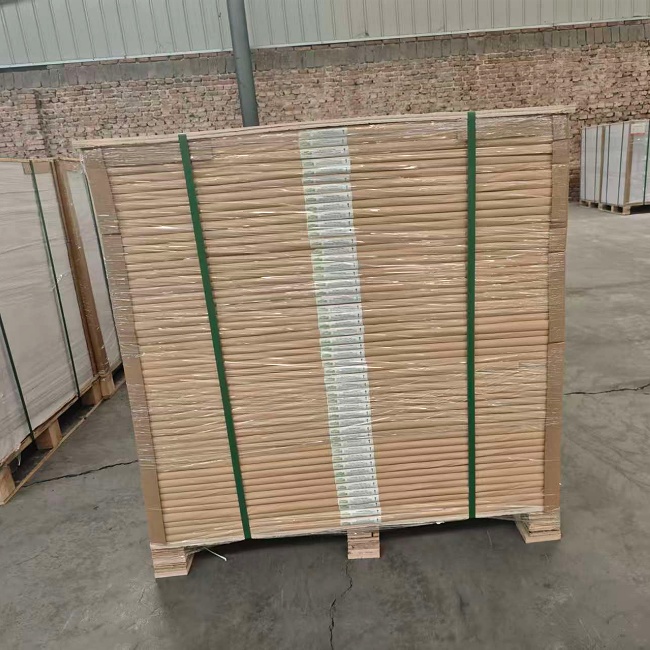
Slitting and winding: Cut the large roll of finished product into the desired width or individual sheets according to customer requirements.
Main Features
The widespread application of adhesive labels is attributed to their outstanding advantages:
Extremely convenient to use: just tear and stick, no need for auxiliary tools such as glue or paste, clean and fast.
Wide range of applications: It can be affixed to paper, plastic, and also firmly attached to various surfaces such as glass, metal, and wood.
Low investment and quick returns: especially suitable for orders with small batches and multiple varieties, featuring fast printing speed and short production cycle.
Versatile functions: Apart from basic identification functions, it can also achieve special functions such as anti-counterfeiting, high temperature resistance, waterproofing, and tamper-proofing (to prevent tampering).
Main purpose
Adhesive labels cover almost all areas of product identification we can think of. In terms of daily consumer goods, they are used for labels and instructions on food, beverages, personal care products, cosmetics, and other products. In the logistics and supermarket fields, they are used for express delivery labels, price tags, barcode labels, shelf labels, etc. In the electronics and industrial fields, they are used for electrical appliance nameplates, internal labels of laptops, battery labels, oil drum stickers, etc. In the pharmaceutical and chemical fields, they are used for drug packaging labels, reagent bottle labels, warning labels on chemical drums, etc. Finally, in the office and anti-counterfeiting fields, they are used for document classification labels, anti-counterfeiting labels, fragile seals (such as mobile phone warranty stickers), etc.