+86-21-20919968


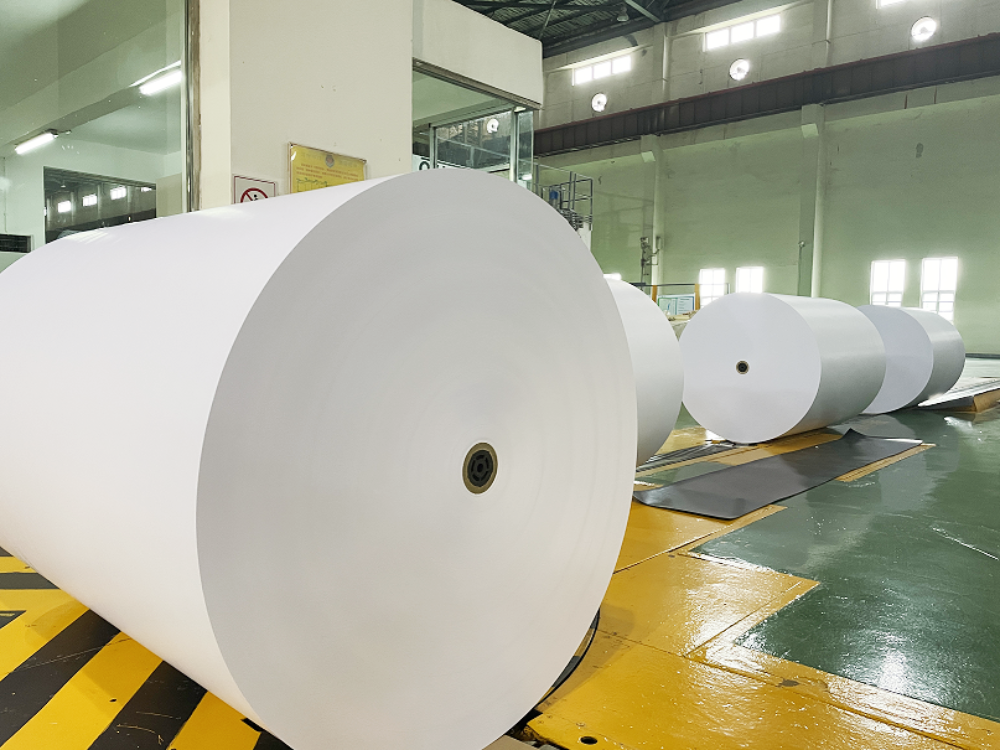
Silicone-coated paper is a type of specialty paper that has one or multiple layers of silicone coating applied on the surface of the base paper. Silicone is a polymer with very low surface energy, which endows it with excellent anti-adhesion properties. Therefore, silicone-coated paper is primarily used as release paper or anti-adhesive paper, serving as a carrier to protect adhesives until it is easily peeled off during use. Its grammage range is wide, allowing it to adapt to different application scenarios. The lightest version can reach 20gsm, used for some very thin protective film liners; the heaviest can reach over 270gsm, used in industrial fields requiring high strength and stiffness. From the perspective of market products, 60-120gsm is a relatively common grammage range, capable of meeting the needs of most daily applications such as labels and tapes.
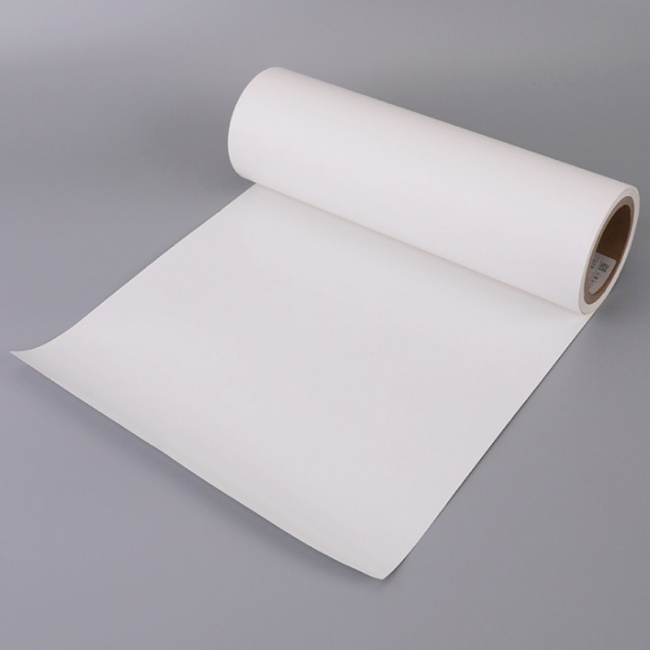
Raw materials and processes
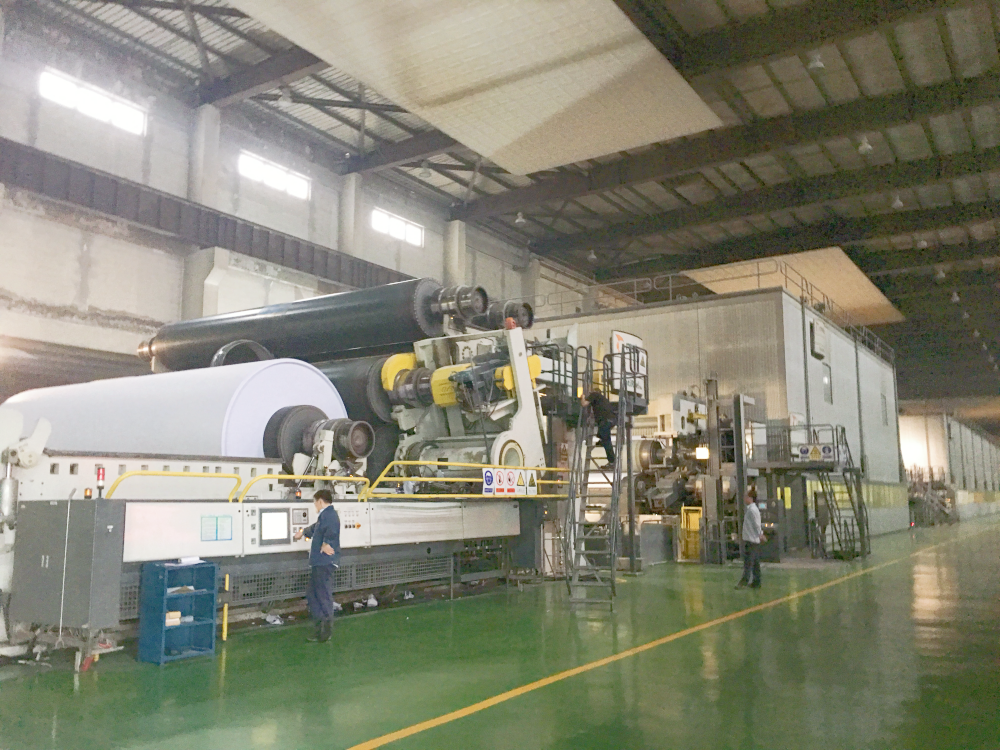
The production of silicon-coated paper is a meticulous process, primarily consisting of two major steps: raw material selection and coating technology.
In terms of raw materials, base paper serves as the foundation, typically made from high-quality chemical wood pulp such as glassine paper and kraft paper. It is required to have high density, good uniformity, and a smooth surface to ensure even coating. Next comes silicone oil, the coating material, which is an organosilicon polymer. Depending on the formulation, it can be divided into solvent-free silicone oil (mainstream, environmentally friendly), solvent-based silicone oil, lotion-based silicone oil, and radiation-cured silicone oil.
The production process can be briefly summarized into four steps: primer treatment, silicone oil coating, curing and drying, and rewinding and slitting.
The primer treatment involves coating a layer of primer (such as acrylic emulsion) on the surface of the base paper. This is to seal the pores of the base paper, improve the smoothness of the paper surface, and create favorable conditions for subsequent silicone oil adhesion. The second step is silicone oil coating, where a precise coating head evenly applies silicone oil to the surface of the paper, either on one side or both sides. This forms a crucial anti-adhesive layer with an extremely thin coating thickness, typically around 1-2gsm. The third step is curing and drying, where the coated paper is sent into an oven and cured at a high temperature of 150°C to 200°C, allowing the silicone oil to crosslink and form a film, ensuring that the silicone oil layer adheres firmly to the paper and exerts a stable release effect. The final step is winding and cutting, where the cured large roll of paper is cut into rolls or flat sheets of different widths according to customer requirements. This is the final product form.
Core Features
The widespread application of silicon-coated paper is attributed to its unique performance advantages:
Excellent anti-adhesion: This is the core feature. The silicone coating can prevent the permanent adhesion of almost all adhesives (such as hot melt adhesives and pressure-sensitive adhesives), ensuring easy peeling.
High and low temperature resistance: The silicon coating is stable and can be used in high-temperature baking (such as as baking paper), and it can also withstand low-temperature environments, maintaining its performance.
Waterproof and moisture-proof: The coating has good waterproof properties, effectively blocking moisture and grease to protect the contents.
Stable physical properties: The paper itself possesses high tensile strength and tear resistance. Furthermore, through special processing, it exhibits anti-curling characteristics, ensuring flatness during high-speed automated production.
Safety and environmental protection: High-quality silicone-coated paper can be made from FSC-certified wood pulp, complies with environmental standards such as RoHS, and is recyclable.
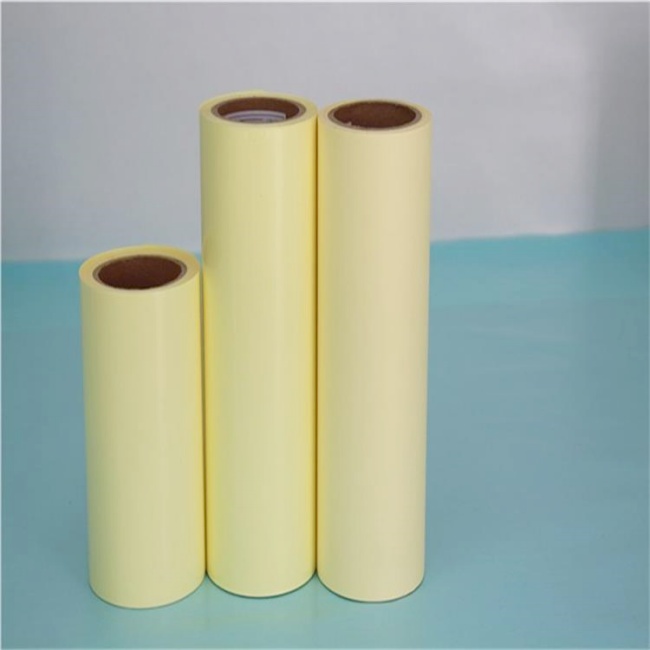
Multiple purposes
Silicon-coated paper is almost ubiquitous, and here are a few major application areas:
In terms of labels and tapes, it is mainly used as the backing paper for adhesive labels and tape carriers, which can protect the adhesive layer and ensure smooth peeling during use. In the food and baking industry, it is used as baking paper, fast food packaging paper, and non-stick baking tray pads, which are resistant to high temperatures, oil, and sticking, ensuring food hygiene and easy separation. In the industrial manufacturing field, it is used as composite material backing paper, synthetic leather release paper, and waterproof roll material pads. They serve as carriers during the manufacturing process and can be easily peeled off after molding, with some being reusable. In the medical and healthcare industry, it is used as a release liner for medical tape, band-aids, and plaster patches, ensuring that sterile product packaging is easy to open and does not contaminate the contents. In the electronics and e-commerce industry, it is used as a protective film backing paper and a release liner for express delivery bags/receipts, which can prevent sensitive components or bonded parts from being damaged during transportation and storage. Finally, in the packaging industry, it can be used for self-adhesive envelopes, sealing tape, and individual packaging of confections such as chocolates, providing a convenient opening experience and utilizing its moisture-proof properties to protect the products.