+86-21-20919968


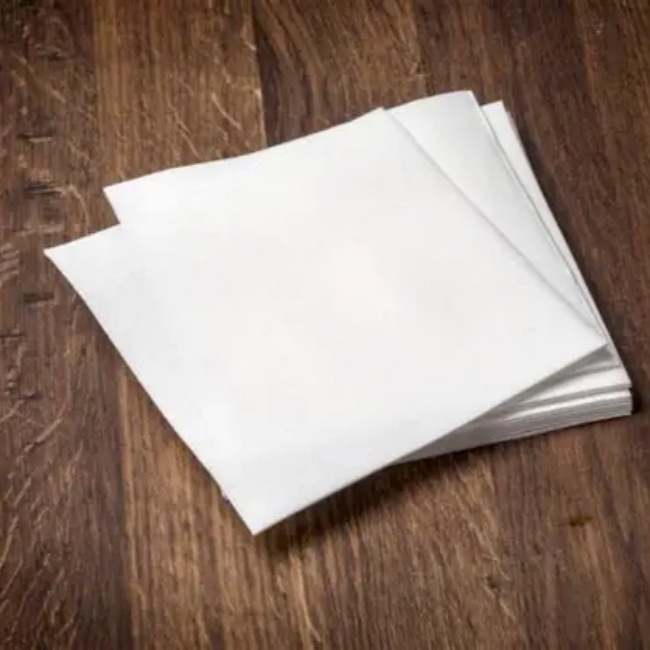
Napkins refer to disposable soft paper designed specifically for cleaning lips, fingers, and face during meals. The grammage of napkins usually refers to the weight per square meter (g/m²) of a single layer of base paper, which varies depending on the number of layers. A single layer is about 23g/m², a double layer is about 15-16g/m², and a triple layer is about 14-15g/m². In addition, there are also specifications such as 17-22g/m² and 50-80g/m², which can be customized according to customer needs. Common specifications in bulk procurement of catering include 270×270mm, double-layer, with a gross weight of approximately 130g per package.
The regular sizes include 230×230mm, 270×270mm, etc. The number of layers varies. Hollow paper embossed by steel rollers on rubber rollers generally has two layers, while fully embossed paper has one or two layers; Steel rollers are generally three layers in length; The folding method is usually a quarter fold.
Raw materials and processes
Raw material
The raw material of napkins is mainly virgin wood pulp, and recycled pulp cannot be used. The raw materials can be subdivided into:
Cotton pulp: the best quality
Wood pulp: second in quality (high-end products often use 100% virgin wood pulp)
Straw pulp and white paper edges: relatively low quality
High end napkins usually use imported virgin wood pulp, with North American or European coniferous wood fiber preferred for long fibers, and eucalyptus or acacia wood pulp board preferred for short fibers. Different ratios of long and short fibers are used to achieve the best cost-effectiveness. In recent years, bamboo pulp paper has gradually become popular due to its environmental protection concept.
Production Process
Napkins are thin paper with a basis weight generally less than 20g/m ² and a thickness of only 0.05-0.07mm. The main process steps include:
Pulping and pulping: Crush and grind the raw materials, adjust the degree of tapping. Beating can expose hydroxyl groups (hydrophilic groups) in fibers, improve water absorption, but it is necessary to balance strength and water absorption rate.
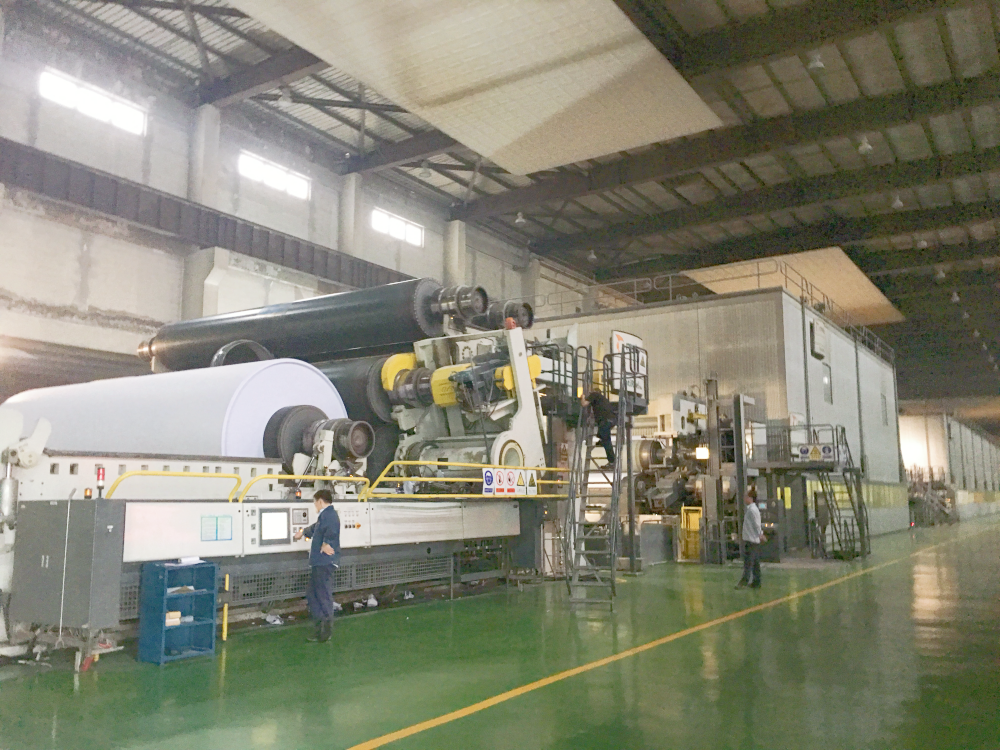
Copying: through processes such as slag removal, sizing, dehydration, drying, and wrinkling. The angle of the wrinkling scraper is usually controlled at 84-90 ° to ensure that the wrinkles on the paper surface are moderate.
Embossing and printing: Embossing can increase the paper's adhesion and aesthetics. The embossing process mainly includes two types: steel roller to rubber roller and steel roller to steel roller. The former has less damage to the paper but lower clarity, while the latter has clear patterns and high adhesion but higher requirements for the paper.
Folding and packaging: Packaging into finished products after embossing, folding, cutting, and counting.
Characteristics
Soft and skin friendly: specifically designed for facial cleansing, with a soft touch and no irritation to the skin.
Strong water absorption/oil absorption: can effectively absorb moisture and oil stains during meals.
No shedding of hair or powder: Avoid paper scraps residue.
High hygiene standards: Napkins (facial tissues) comply with the GB/T 20808 standard, with a bacterial content of no more than 200 units per gram, much stricter than toilet paper (no more than 600 units); And it must not contain migratory fluorescent whitening agents.
Good wet toughness: not easily broken after soaking.
Embossed firmly: The embossed pattern is clear, and multiple layers of paper adhere to each other after embossing, making it difficult to separate.
Usage Classification
Catering paper is used for cleaning tables in restaurants, hotels, and fast food restaurants, and requires a certain degree of stiffness for folding and shaping.
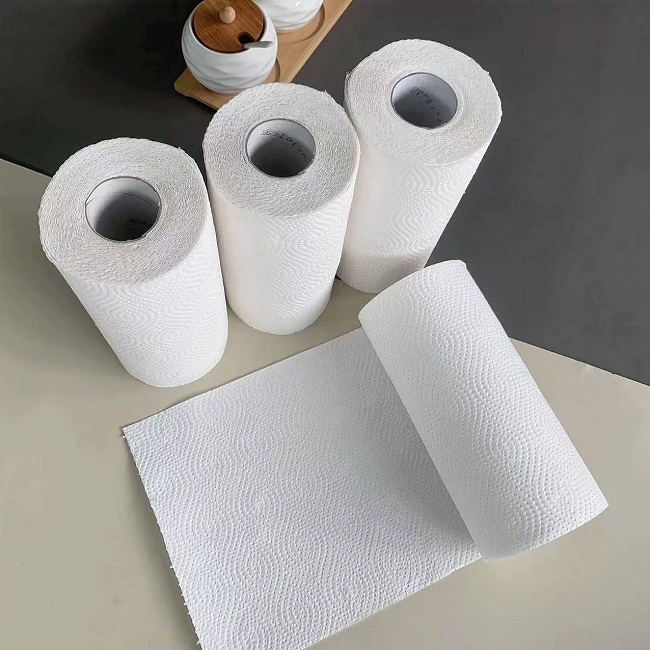
Household facial tissues are used for wiping the mouth, face, and hands. They are soft and skin friendly, with the highest hygiene standards.
Handkerchief paper can be carried around, replacing handkerchiefs, and small packaging is very convenient.
Customized printed napkins are generally used for brand promotion, holiday celebrations, wedding banquets, etc. They can be printed with logos, QR codes, or exquisite patterns to promote advertising.