+86-21-20919968


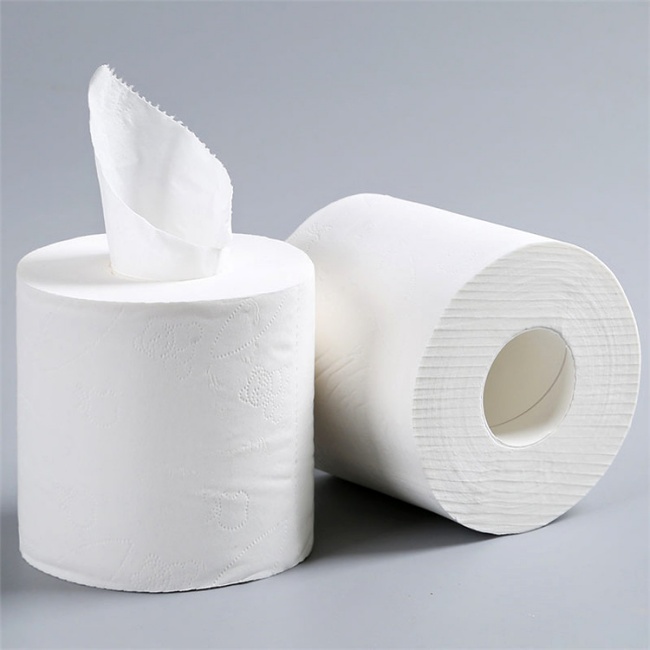
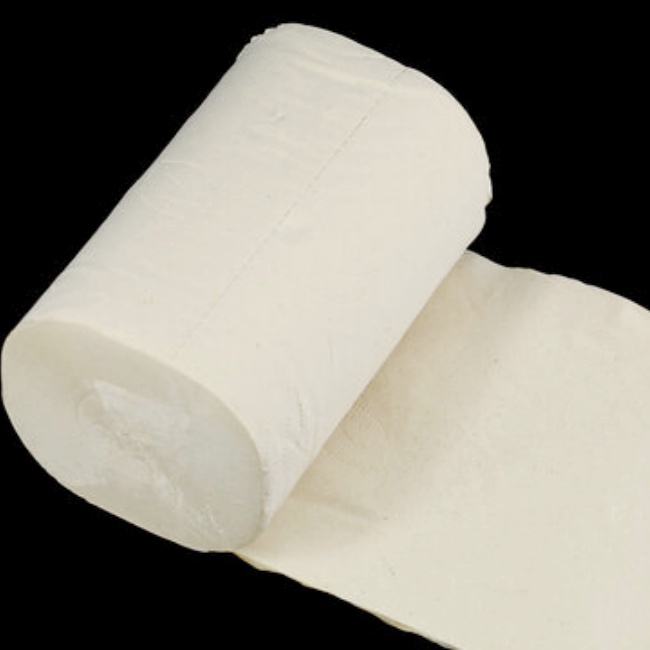
Toilet paper, also commonly known as toilet paper or toilet paper, mainly refers to thin paper used for people to use after using the toilet and for daily cleaning. Raw paper weight refers to the weight per square meter of single-layer paper, usually below 30 g/m ². Common finished roll weights include 115g, 140g, 180g, and other different specifications. Common sizes include 138mm × 100mm, 110mm × 100mm, etc.
Raw Materials and Processes
Main Raw Materials
The raw materials for toilet paper are mainly divided into two categories: virgin pulp and recycled pulp:
Native pulp: refers to pulp made from brand new natural plant fibers, with higher quality. Common ones include:
Wood pulp: the most commonly used, with long fibers and good strength.
Bamboo pulp: increasingly popular due to environmental and sustainable concepts.
Cotton pulp, straw pulp, bagasse pulp, etc.
Recycled pulp: refers to pulp that is reprocessed from recycled paper (such as printed materials, white paper edges). This type of raw material has low cost, but relatively low quality.
Core Process Flow
There are four main steps in the production of toilet paper, from raw materials to finished products:
Pulping: Making pulp from wood and other raw materials.
Beating: Mechanical treatment of pulp to alter fiber morphology, which is a crucial step in determining the softness of paper.
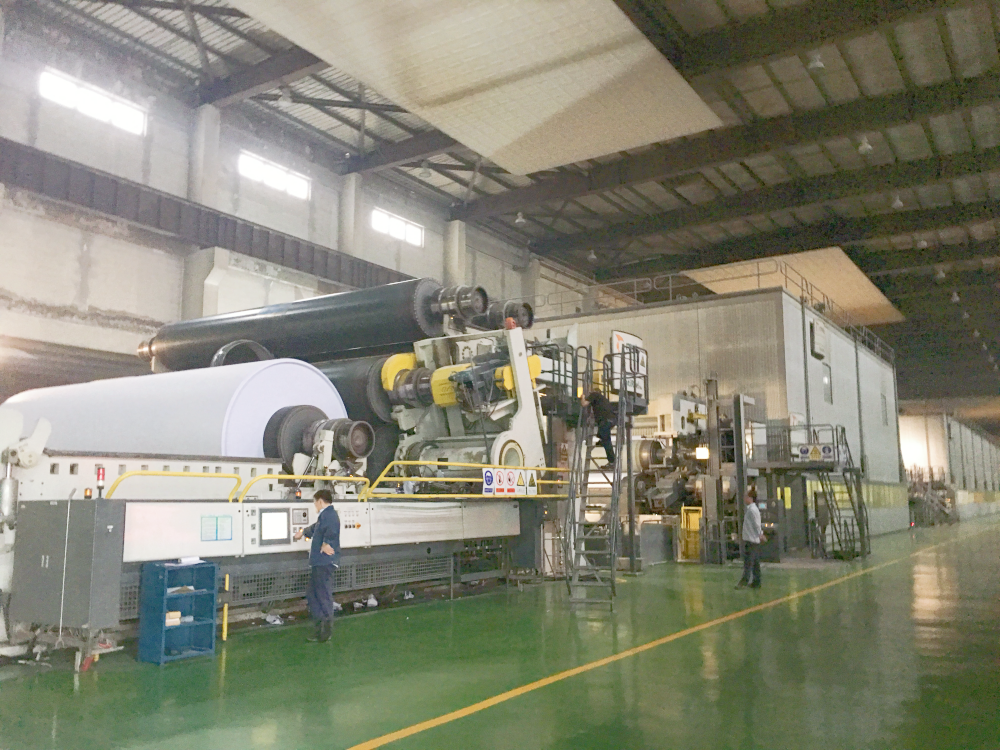
Papermaking: Forming, pressing, and drying processed pulp on a machine, and using mechanical methods to create wrinkles on the paper surface to increase softness.
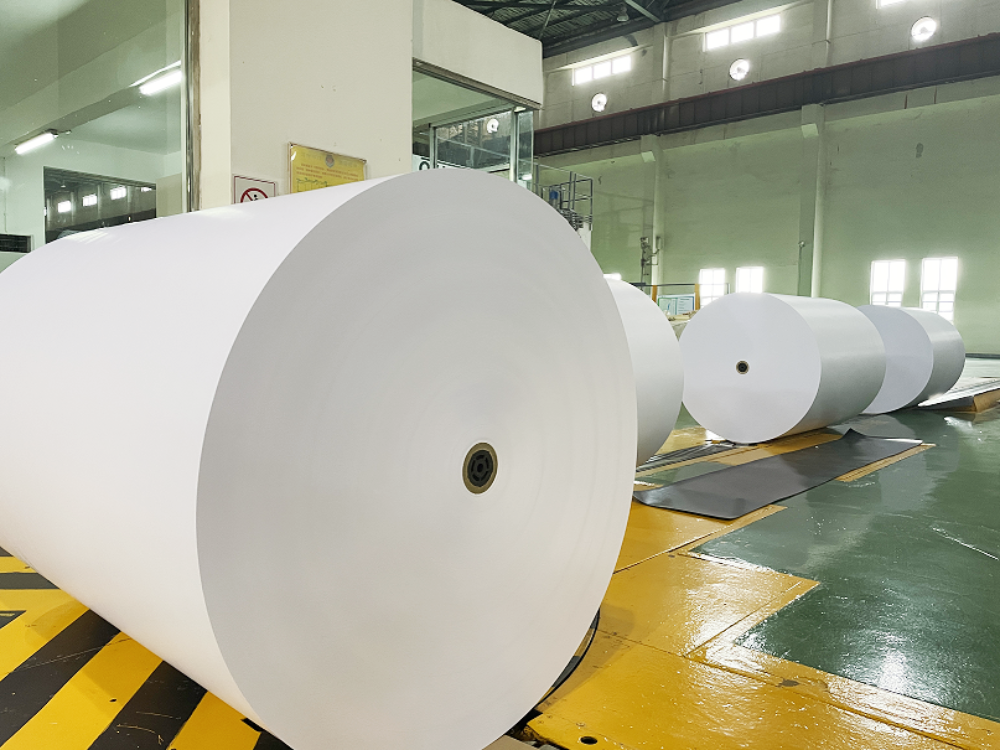
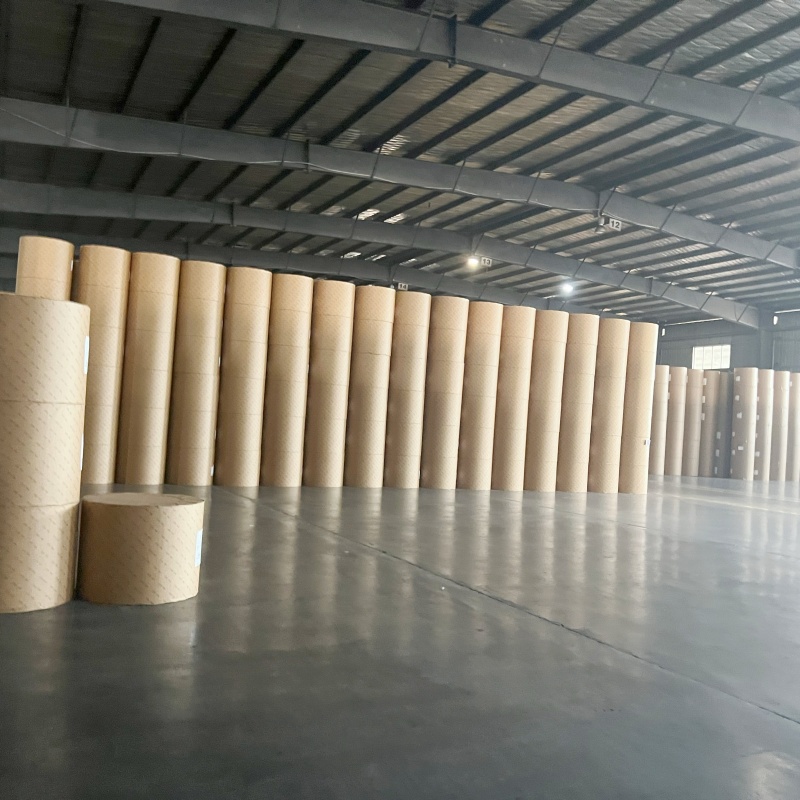
Post processing: The large roll of raw paper is rewound, cut, and finally packaged into our common roll paper or pull-out toilet paper.
Technical Indicators
Safety and hygiene: These are the most basic requirements.
Microorganisms: The total number of bacterial colonies should be ≤ 600 CFU/g, and pathogenic bacteria such as Escherichia coli and Staphylococcus aureus should not be detected.
Chemical safety: It must not contain harmful substances such as migratory fluorescent whitening agents.
Performance: It's about the user experience.
Softness: It directly affects the tactile sensation and is an important comfort indicator.
Tensile strength index: reflects the strength of the paper and determines whether it is easy to tear.
Liquid absorption height: measures the water absorption capacity of paper.
Powder loss rate: required to be ≤ 0.5% to avoid paper scraps during use.
Characteristics
The core characteristics of toilet paper are closely designed around its "toilet use" scenario:
Easy dispersibility: This is its most important characteristic. Toilet paper is prone to breakage and dispersion when it comes into contact with water, making it less likely to clog the toilet. It is suitable for direct flushing after use in the bathroom.
Soft and comfortable: Its texture is soft and designed to provide a gentle cleaning experience.
Strong water absorption: capable of quickly and effectively absorbing moisture to complete cleaning tasks.
Health and safety: comply with national standards, ensure no pathogenic bacteria, and ensure safe use.
Main Purpose
Core use: Cleaning after using the toilet, which is its most important and irreplaceable function.
Daily cleaning: used to wipe off ordina